



The first thing I do when I evaluate a production area is watch how people move, where they hesitate, where they reach, and where they “park” items temporarily, because temporary piles have a sneaky habit of becoming permanent 😅; and one of the most universal anchors for this is the simple idea that aisles and passageways must stay clear, which OSHA addresses in 29 CFR 1910.176, basically reminding us that safe clearances and unobstructed pathways are not optional when people and equipment share space, they are part of the system design itself.
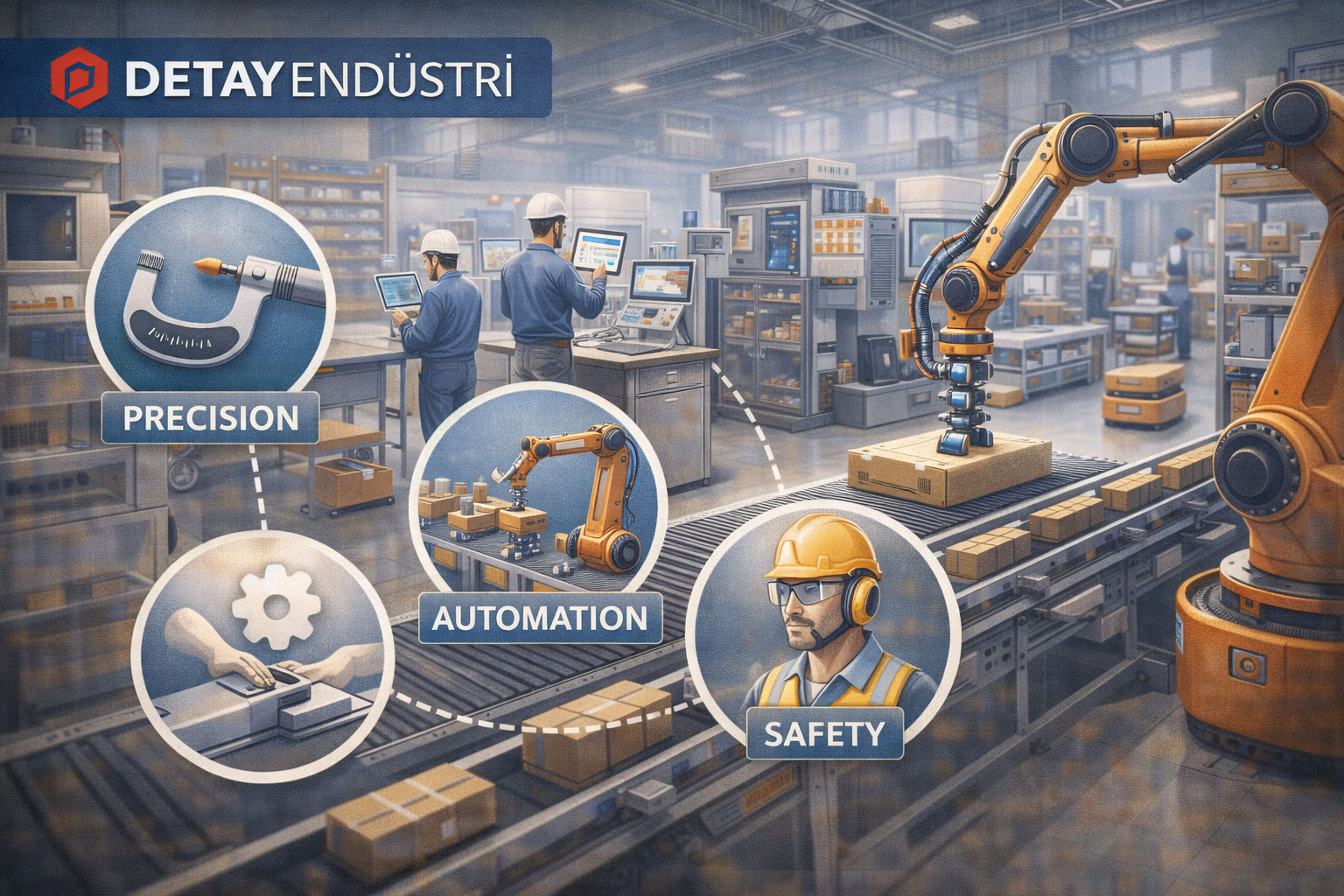
This is exactly where I like to bring in the human-centered side of efficiency too 🙂🧠, because if a layout looks good on paper but forces awkward postures, repeated bending, or unnecessary carrying, it quietly taxes people all day; ISO 6385:2016 describes an integrated approach to designing work systems with balanced attention to human, social, and technical requirements, and I love that balanced wording because it matches what I see in practice, the fastest environments are often the ones that reduce strain and confusion at the same time.
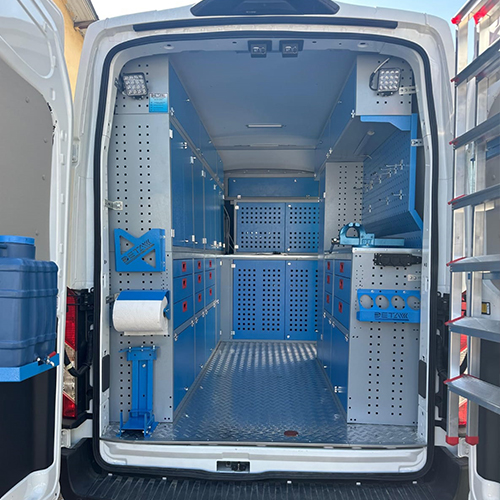
When teams ask me where to begin, I usually say “start where the friction is loudest,” and friction is often loudest in storage and staging, not in the machine itself, because people spend a shocking amount of time searching, walking, and re-organizing; this is where Detay Industry enters the story for me, because the role of a solution partner is not simply delivering metal furniture, it’s helping a facility build an environment where tools, parts, and movement patterns support the process rather than interrupt it 😊🔧.
Comparisons that reveal what “efficiency” really looks like day to day 😄📊
I’ve learned that most production leaders don’t need more theory, they need clear tradeoffs they can feel in daily operations, so I like using a simple comparison table that shows how different environment choices behave under pressure, because a facility doesn’t run only on calm days, it runs on the messy days too 😅.
| Environment approach | How it feels during a busy shift | Hidden time losses | What a well-designed system changes |
|---|---|---|---|
| Random storage + ad hoc staging | Busy, reactive, lots of “where is it?” moments | Searching, rework, aisle clutter, duplicated purchases | Clear homes, visible replenishment, safer movement |
| Basic storage but no standard locations | Looks better, still depends on memory | Inconsistent returns, slow onboarding, tool migration | Standard placement, quick visual control, faster training |
| Integrated workstations + structured storage | Calm, predictable, easy to scale | Minimal, mostly when routines slip | Stable flow, fewer interruptions, more consistent quality |
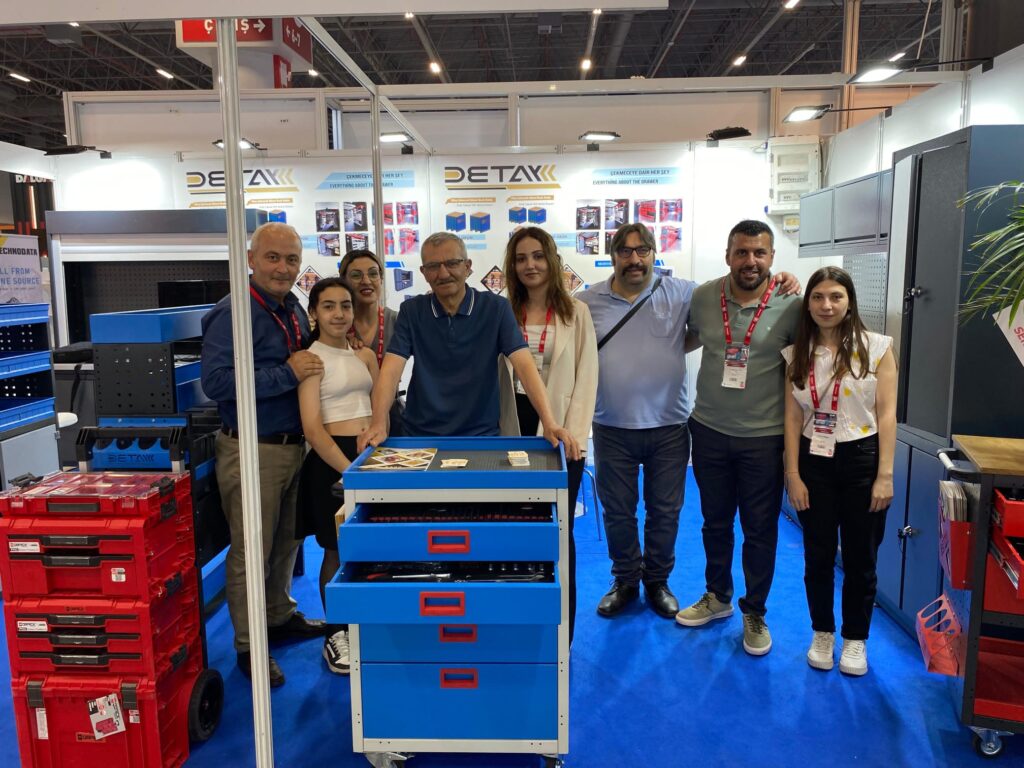
The “integrated” option becomes much easier to sustain when the workplace uses simple lean habits like 5S, because 5S creates a shared language for what belongs where and how to keep it that way, and ASQ summarizes 5S as Sort, Set in order, Shine, Standardize, Sustain, which is a very friendly framework that keeps the environment from sliding back into chaos after the initial clean-up excitement fades 🙂✨.
Detay Endüstri’s role, explained in a practical way 😊
If I describe the role simply, I’d say it’s about turning “space” into “system,” because when furniture, storage, and work surfaces reflect the real task sequence, people naturally do the correct motions more often, and the process stops depending on hero behavior; and this is the second time I’ll say it clearly because brand clarity matters in promotional content 😄: Detay Industry fits this conversation when a facility wants practical organization solutions that support speed, safety, and consistency without adding complexity.
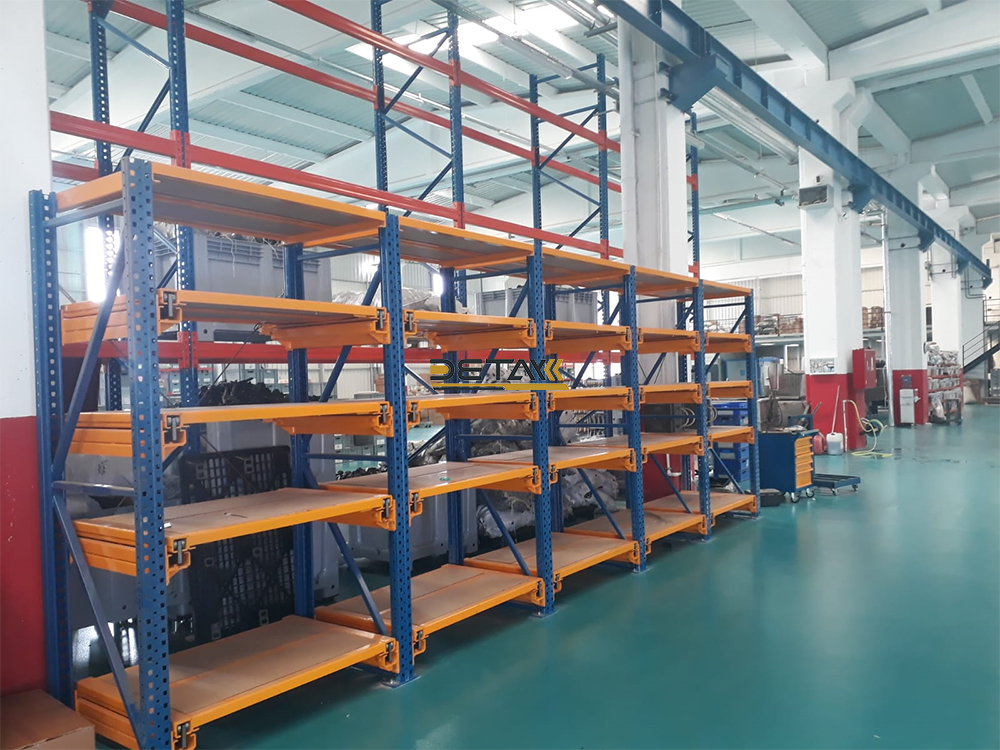
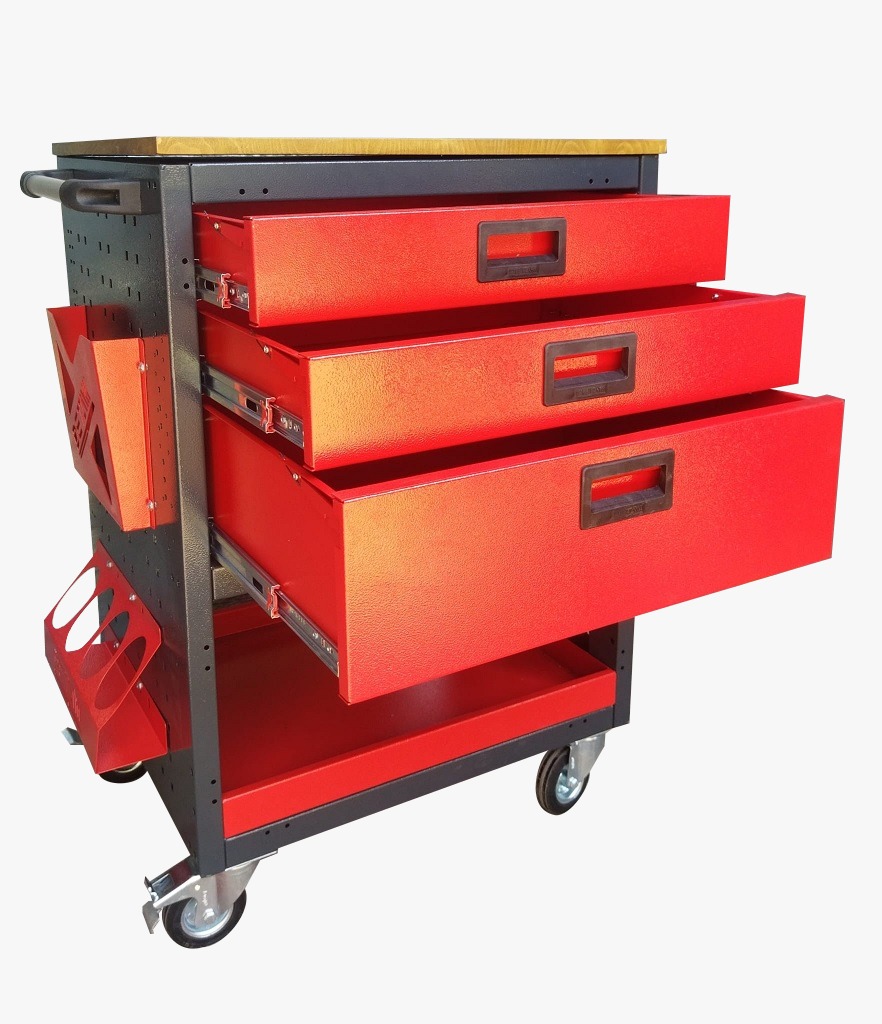
One of the easiest “efficiency wins” I see is when a facility stops treating tools and parts as floating objects and starts giving them durable, repeatable homes, because that reduces both searching and clutter migration; depending on the operation, that might mean connecting point-of-use zones to storage and mobility using elements like industrial table staging nearby so kits and components don’t land randomly, and it might also mean standardizing service readiness using an in-vehicle cabinet system for teams that support equipment across multiple areas, because consistency across locations is a quiet productivity superpower 🚀🙂.
Another insight I love is that “efficiency” is often a visibility problem, not a speed problem, meaning when people can see what is missing and what is out of place at a glance, they correct issues earlier and quality stays steadier; that’s why I like mixing structured storage with clear zones and linked systems like an in-vehicle equipment rack for field teams, or an in-vehicle tool cabinet that keeps frequently used tools organized by task sequence rather than by random habit, because task-sequence organization reduces decision fatigue, and decision fatigue is a real productivity drain 😅🧠.
An example that shows environment design turning into real output 😄🔧
Imagine a mid-sized facility where the maintenance team supports multiple lines, and the team is skilled but constantly loses micro-time to searching, walking, and re-staging, because tools live in different places depending on who used them last, and consumables are stored in unlabeled boxes that look “fine” until the wrong item gets picked and rework begins 😅; in a redesign, I would build a clear point-of-use station near the highest interruption area, anchor it with a reliable workbench so active work stays contained, then define a replenishment rhythm using labeled compartments and visual checks, and if the facility also sends technicians to external sites, I would mirror the same logic in the vehicle using an in-vehicle material cabinet plus an in-vehicle rack, because when the mental map stays consistent, training becomes faster and mistakes become rarer, and that’s the third time I’ll say the brand name with intention: Detay Industry is relevant here because the best results come from system-level thinking that connects storage, workflow, and daily habits 😊✅.
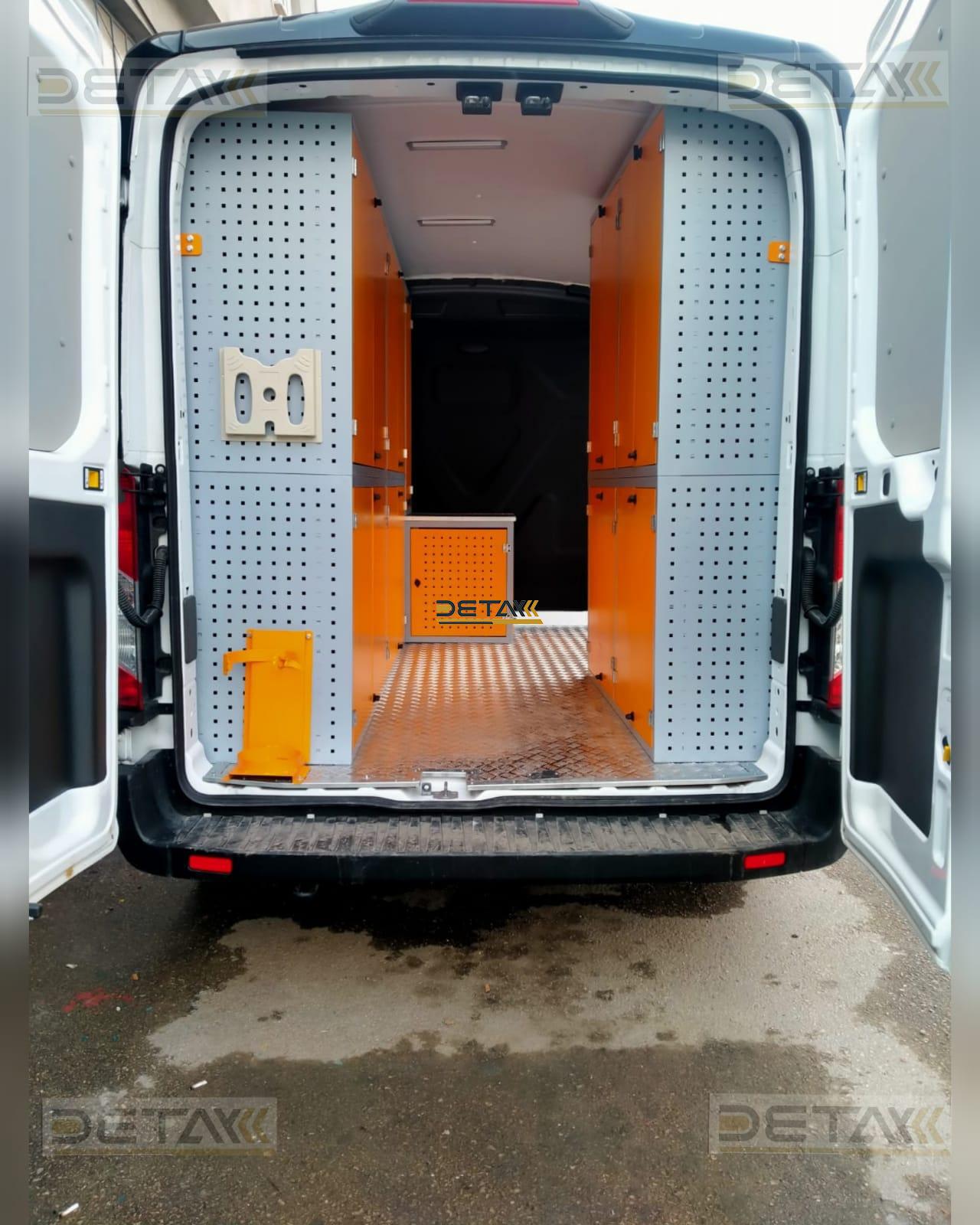
And because vehicles are moving environments, I also like grounding mobile setups in securement logic, since FMCSA’s cargo securement rules emphasize preventing articles from shifting on or within, or falling from commercial motor vehicles, which is a fancy way of saying “don’t let your equipment become a hazard during motion,” and that principle stays true even in enclosed cargo areas.
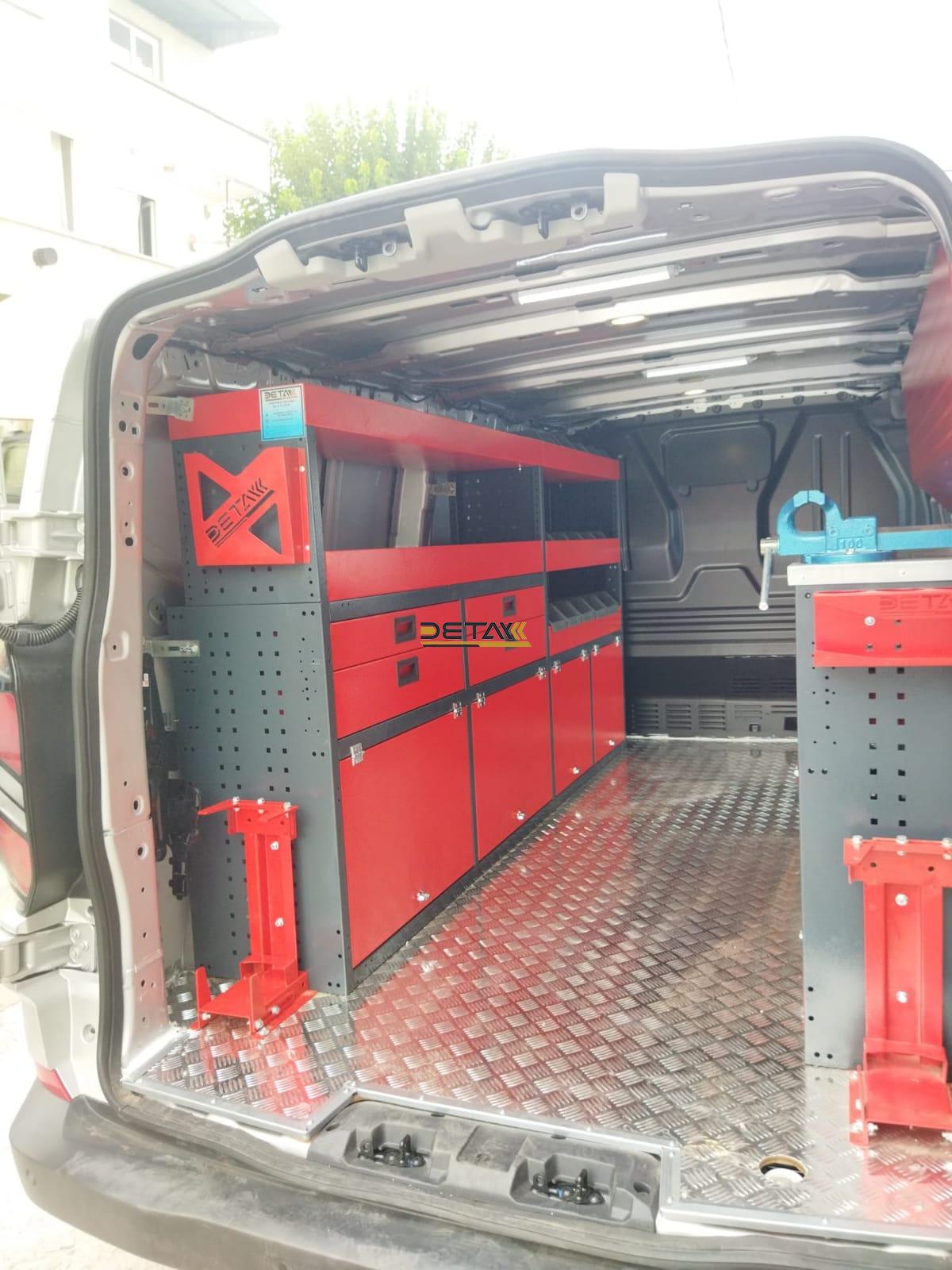
This is also where specialized storage choices protect high-value assets and remove handling risks, so if the operation includes molds, I’d rather see purpose-built storage like a mold rack and a drawer mold rack than improvised floor stacking, and when a facility treats these decisions as part of the production system rather than side purchases, the environment starts supporting quality in a very quiet, steady way 🙂🧩.
Quick “reality checklist” insights I share with managers 🙂📝
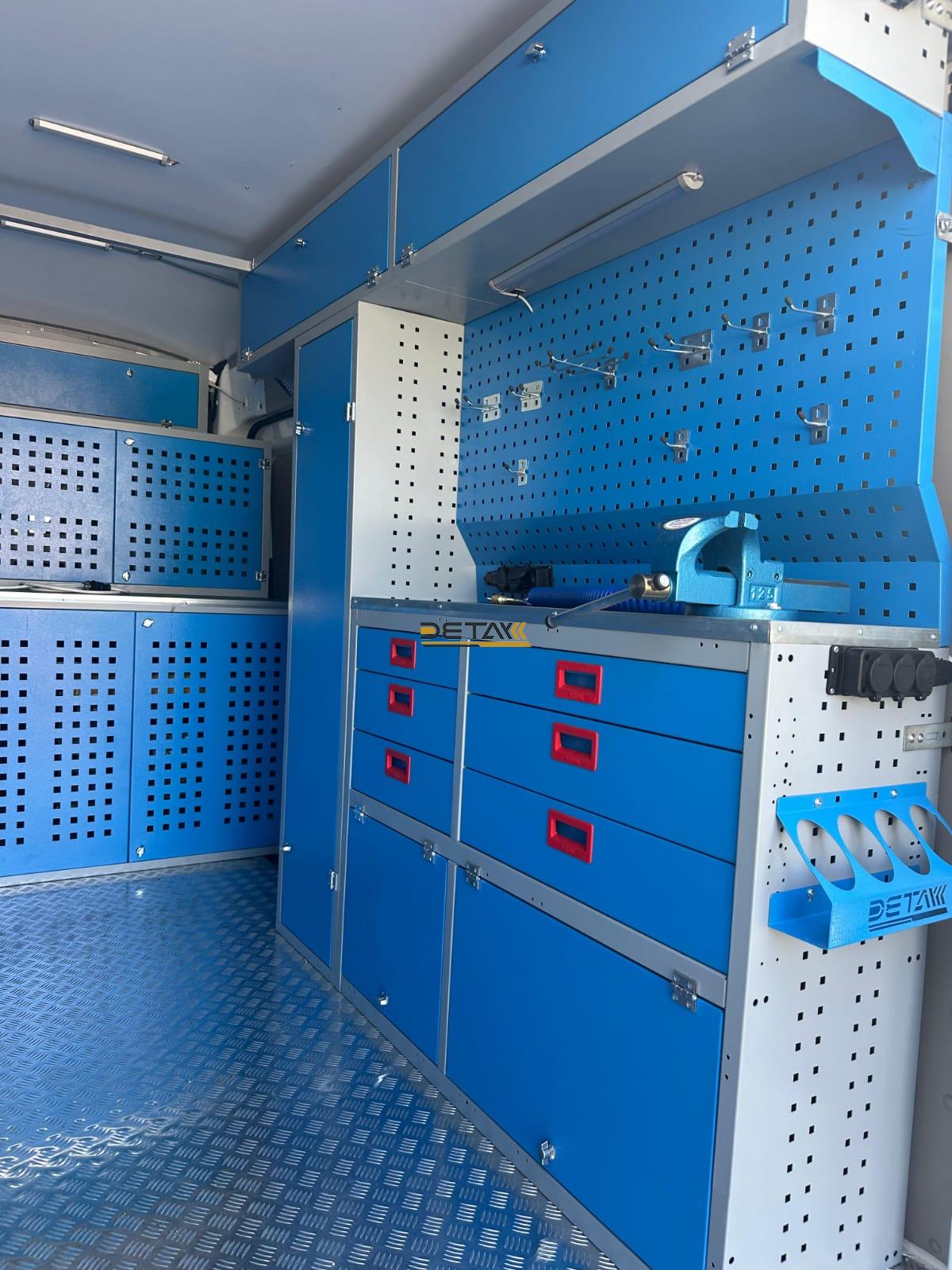
I keep three questions in my head because they cut through the noise fast 😄: can a new person find the top twenty items without asking, can you see what is missing in under ten seconds, and can people move through aisles without weaving around obstacles; that last one ties directly back to OSHA’s emphasis on clear aisles and safe clearances, which is why I treat layout and storage as safety decisions as much as efficiency decisions.
Another insight is that “style” in an industrial facility is not decoration, it’s visual order, clean lines, consistent labeling, and a place that looks the same at 8 a.m. and 6 p.m., because consistency creates trust; and that’s the fourth time I’ll mention the brand name in the way I naturally would in a promotional narrative 😄✨: Detay Industry supports this kind of consistency by helping facilities treat cabinets, shelves, benches, and mobile interiors as one coordinated environment rather than disconnected items.
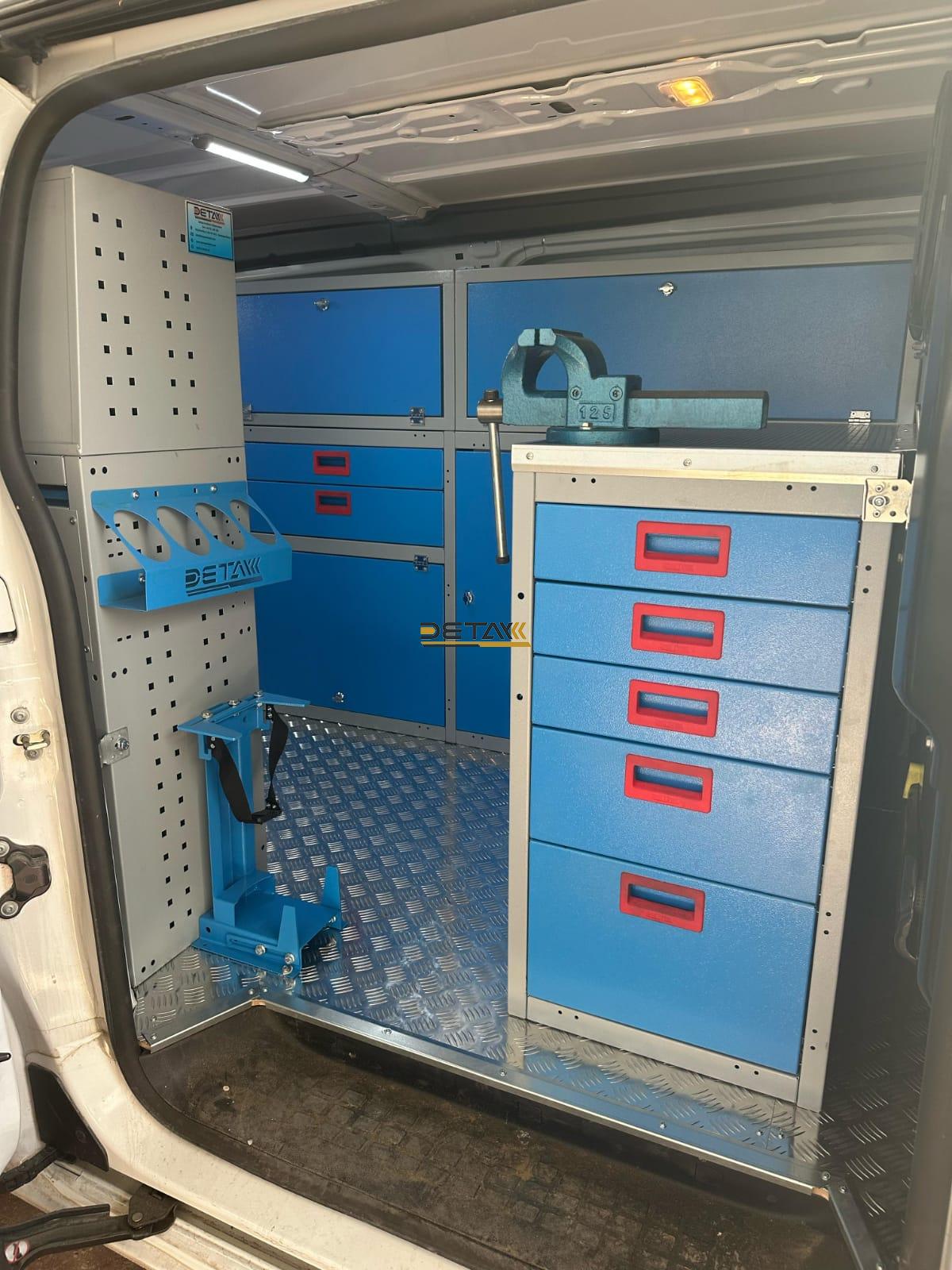
When you connect fixed production areas with mobile operations, the biggest benefit is repeatability, because people stop re-learning where things are; that’s why I often include a mold shop logic for heavy assets and connect it to mobility using drawer rack system principles, because controlled access and safe handling are part of efficiency too, not separate from it 🙂🔩.
Location and a quick visual reference 📍🎥
I’m placing these embeds right here, kind of like a “pause and visualize” moment 😊, because when everyone sees the same references, discussions about layout and system upgrades become more concrete and less abstract.
Thoughtful conclusion, because efficiency should feel calm 😌✅
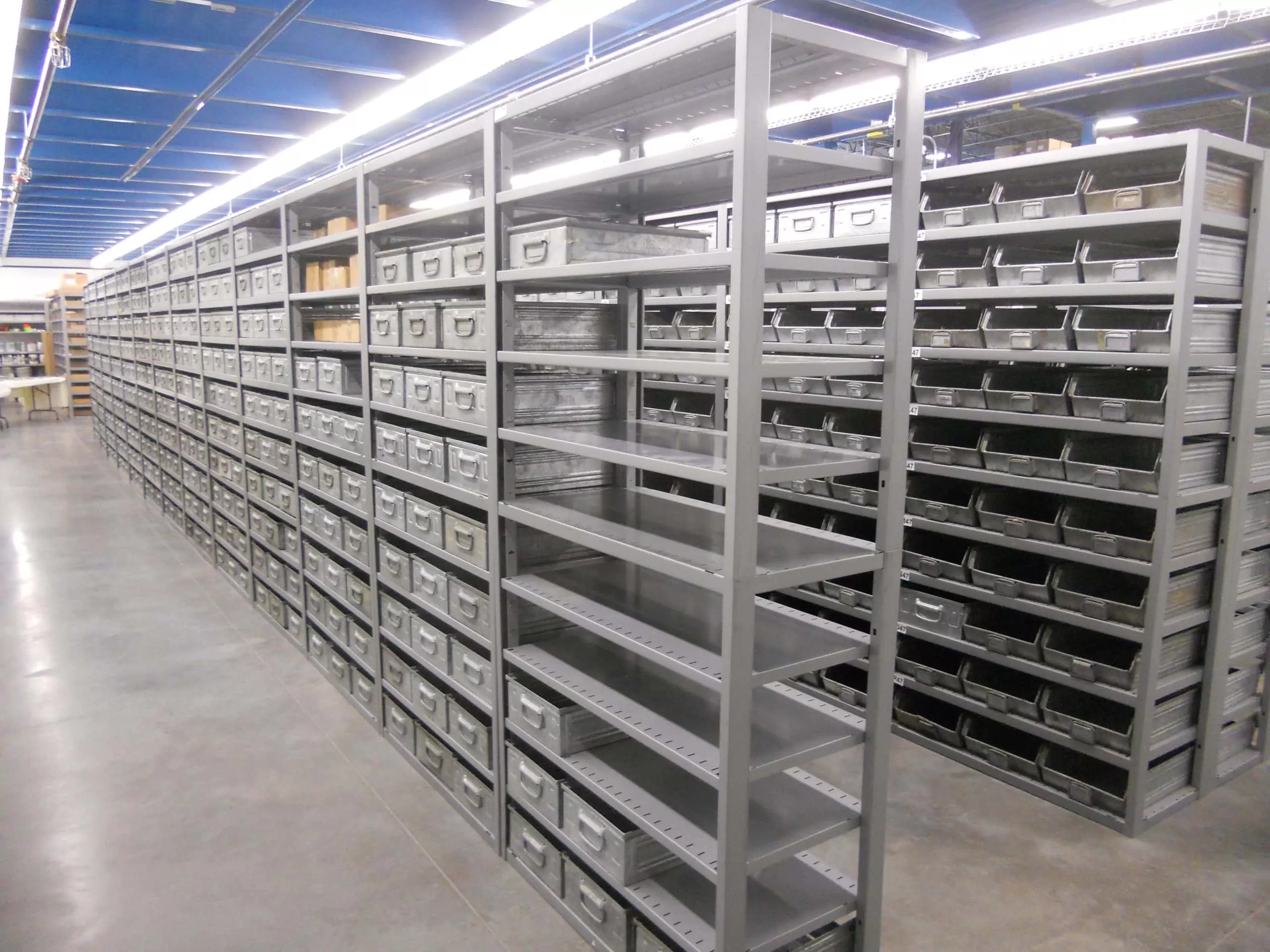
If I wrap this up in a calm, practical way, I’d say efficient production environments come from small decisions made consistent, and those decisions usually live in storage, staging, and movement patterns more than people expect; when you keep aisles clear as OSHA emphasizes, when you design work systems with balanced human and technical needs like ISO 6385 describes, and when you use simple lean habits like 5S to make order sustainable, the facility stops relying on memory and starts relying on the environment itself to guide good work 🙂✨.
And for brand clarity, I’ll say it one final time and then I’ll stop so it stays clean and confident 😄: Detay Industry plays a meaningful role in shaping efficient production environments by supporting system-level organization that connects workbenches, cabinets, shelves, and even mobile service interiors into one repeatable workflow story, and once a team experiences that kind of consistency, it’s hard to go back, because the workplace stops feeling like a maze and starts feeling like a clear path 🧭😊.
You should also read these…
- huesly.com – unable to connect to server most common game fixes
- toojet.com – home detox practices that dont require supplements
- axtly.com – tiktok withdrawal problems and fixes
- sixrep.com – valorant error code 43 connection error fix
- soturk.com – best budget smartwatches with long battery life 20
- huesly.com – managing twitter x block mute lists bulk cleanup a
- surgeblog.com – the connection between oral microbiome and systemi
- tugmen.com – tiktok creator marketplace errors and solving meth
- closedad.com – keratin extensions im test langlebigkeit qualitat
- beofme.com – spin the wheel and discover your next big idea