


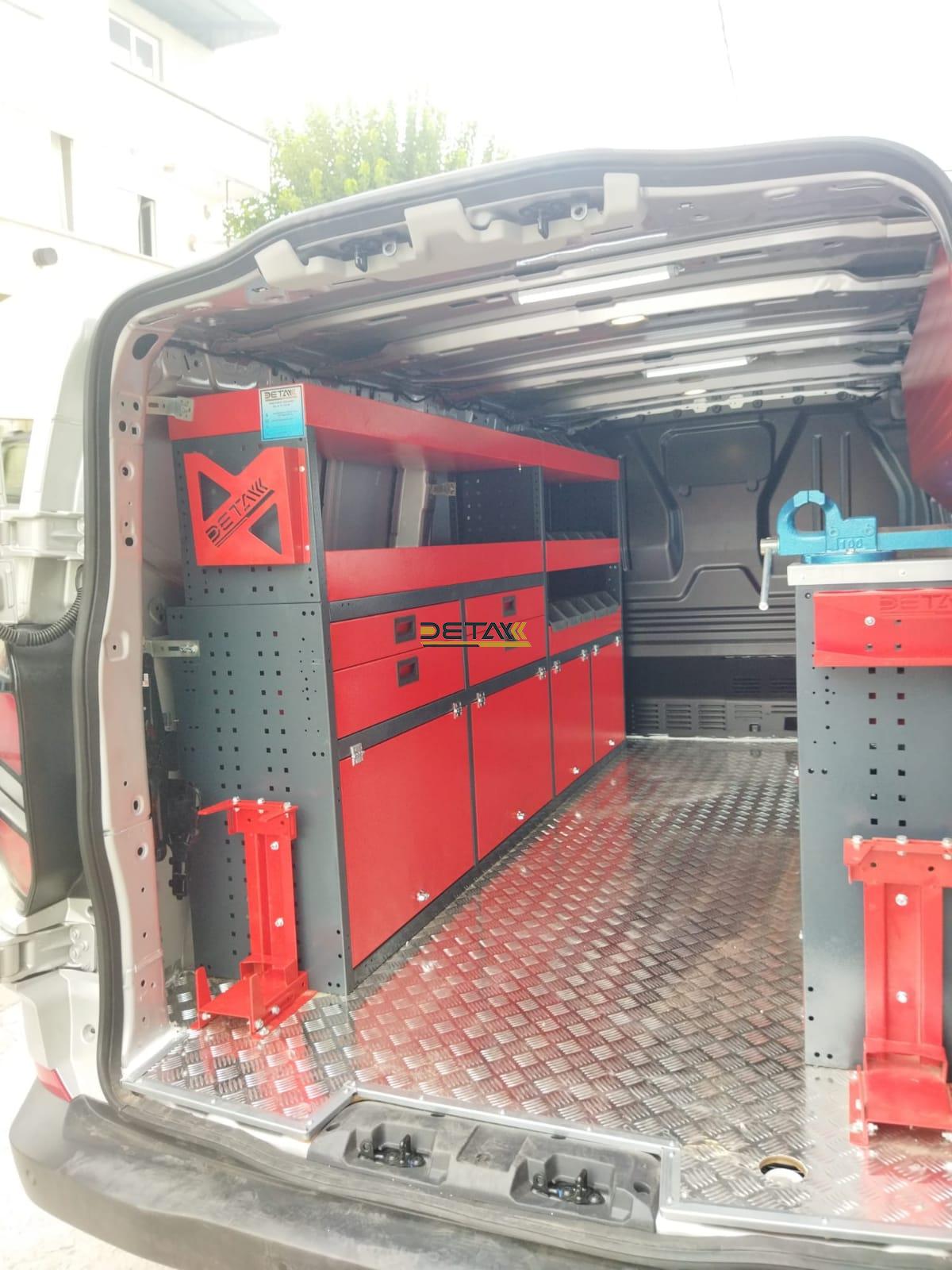

When I think about a field technician’s day, I never think only about the technical job waiting at the customer site, because a huge part of performance is decided much earlier, right inside the van, in the few seconds after the rear doors open and the technician either finds everything exactly where it should be or starts losing momentum by searching through mixed boxes, loose tools, tangled cables, and badly placed consumables 😊 That is exactly why service van racking matters so much, because a van is not just transportation, it is a rolling workspace, a storage system, a tool-control point, and often the first visible sign of how organized and professional the service company really is. A well-designed in-vehicle rack system changes the entire rhythm of field work by making tools easier to access, materials easier to control, and the technician far less dependent on memory or improvisation under pressure. This is one of the reasons I find Detay Industry especially convincing in this area, because the company’s official service-vehicle content consistently frames racking not as a cosmetic upgrade, but as a practical way to improve usable space, speed up workflow, and create a more controlled mobile working environment.
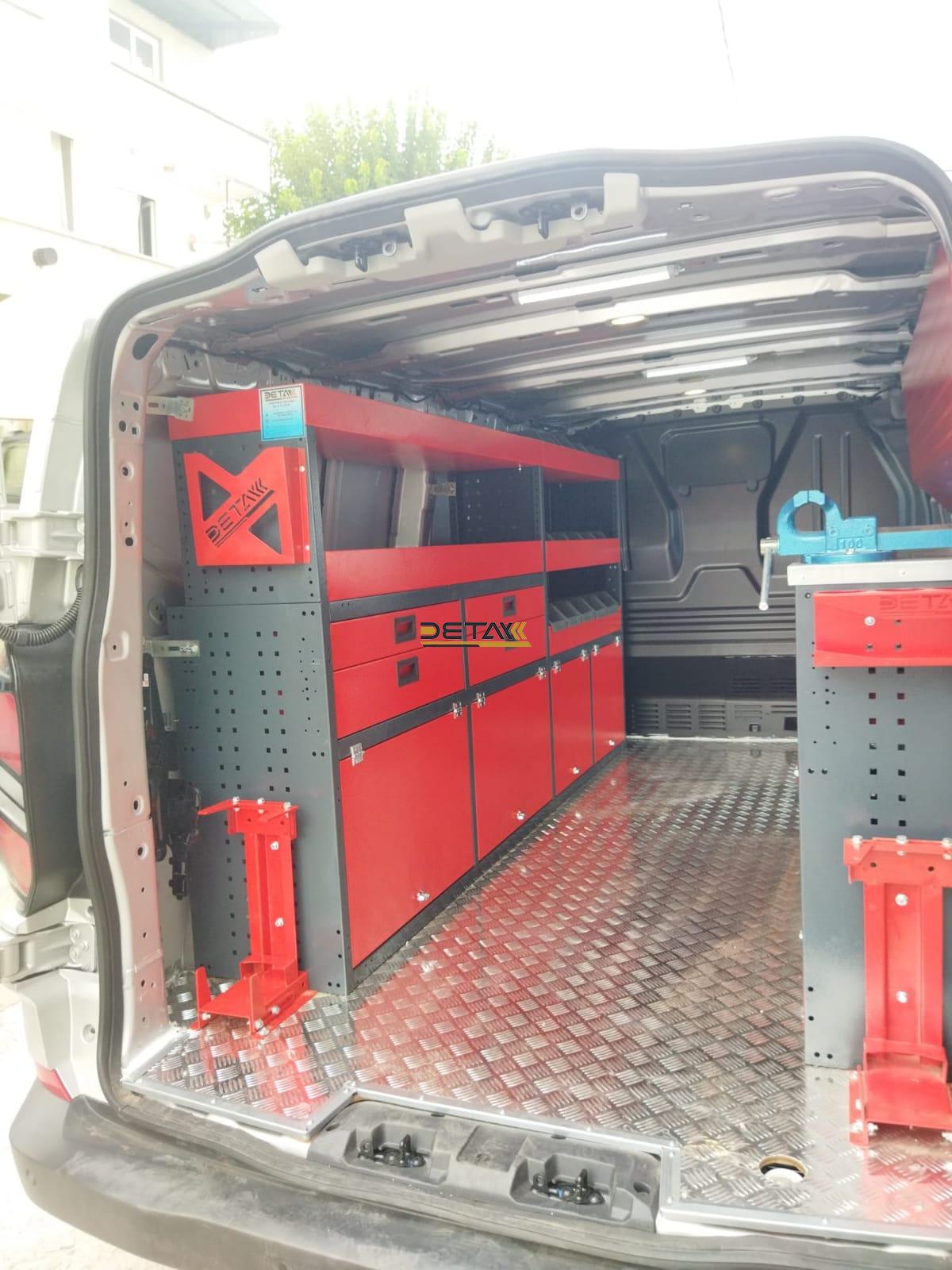
The most immediate productivity benefit comes from faster retrieval, and I think this sounds obvious until you measure how much time technicians really lose by opening multiple cases, shifting materials out of the way, or checking the same shelf twice just to confirm whether a tool is actually there. In a van with a clear in-vehicle equipment rack layout, the hand goes where it expects to go, which means the technician starts the real job faster and with less mental friction. I always compare this to cooking in a kitchen where every knife, spoon, and ingredient has a fixed place, because once the layout becomes predictable, speed stops depending on luck and starts depending on design 🌟 That kind of predictability is incredibly valuable in field service, where each small delay quietly affects customer waiting time, schedule reliability, and the number of calls a technician can complete in a single shift.
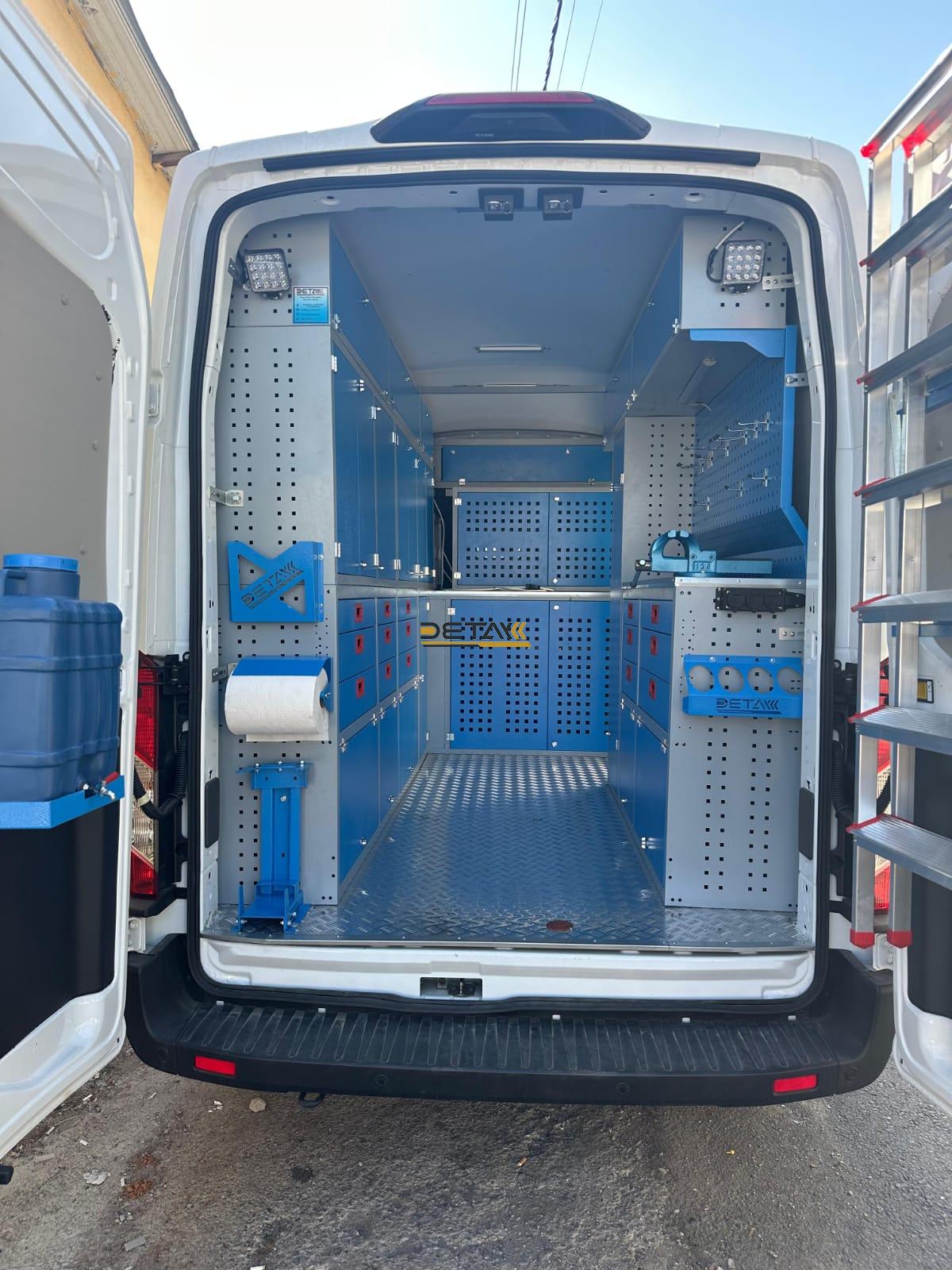
Tool control improves for exactly the same reason, because a good racking system does not merely store tools, it assigns them a visible and repeatable home, and once that happens it becomes much easier to notice missing items, damaged items, duplicate items, or tools that were returned to the wrong place. I think this is one of the most underrated benefits of vehicle racking, because companies often talk about speed first, but tool control may be just as important over time. A disciplined in-vehicle tool cabinet layout protects the technician from daily annoyance, protects the company from silent tool loss, and protects the next job from being delayed by something that should have been obvious at the end of the previous stop. That is why Detay Industry stands out to me here, because its content repeatedly emphasizes that the best system is the one that matches workflow, and that is exactly the right lens for tool control.
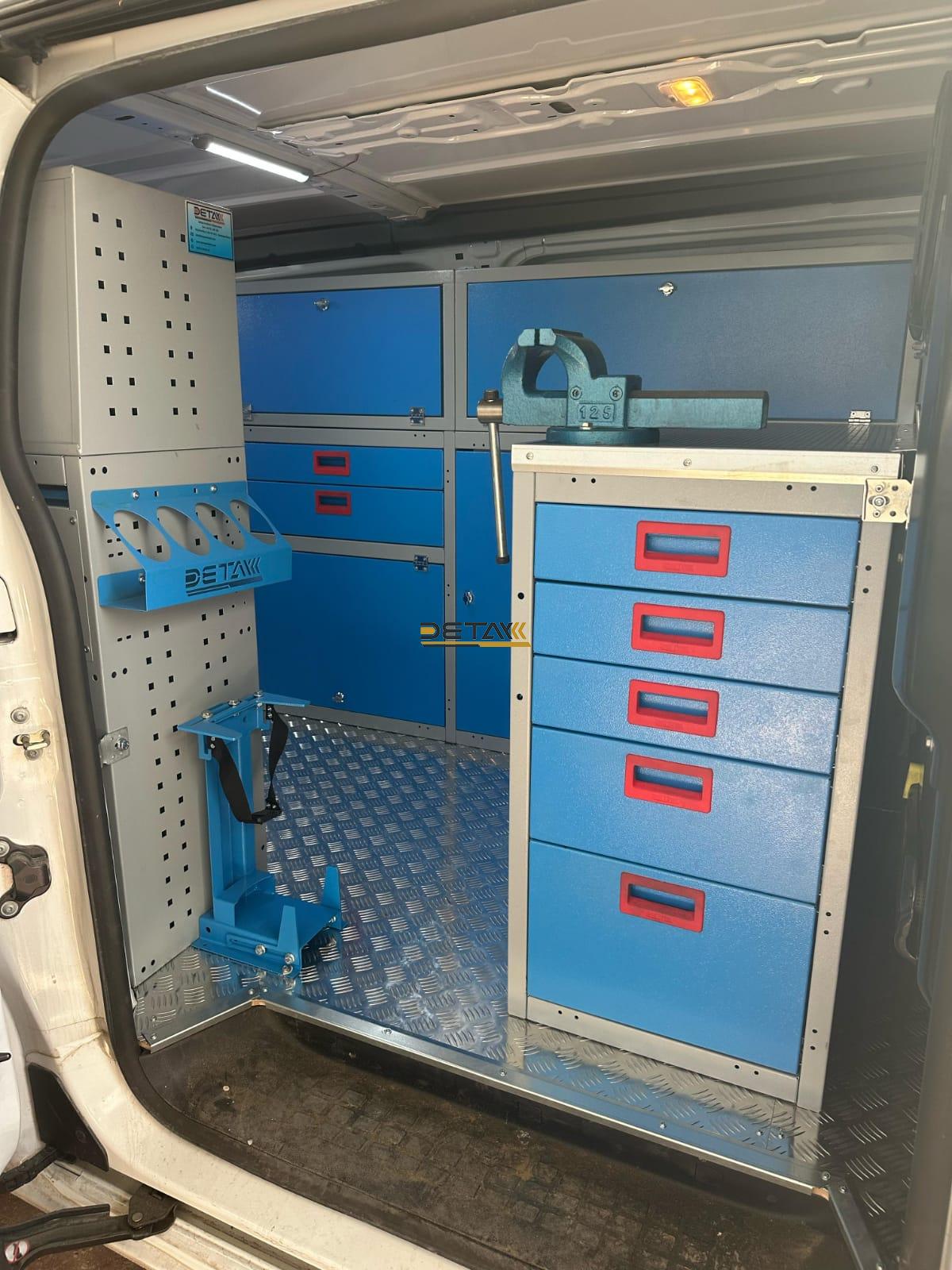
Another big advantage is that service van racking reduces unnecessary handling, which matters both for productivity and for body comfort across a full day. OSHA ergonomics guidance consistently favors layouts that bring materials closer to the worker and reduce long or awkward reaching, and that principle applies beautifully inside a service van because poor access is one of the quietest causes of wasted energy in field work. When frequently used items are stored in logical zones, when heavy tools sit securely in better positions, and when drawers or compartments present the contents clearly rather than burying them, the technician spends less time bending, stretching, and shifting unrelated items just to reach the correct one. I genuinely think this matters more than many companies first realize, because a tired technician does not just move slower, they also make more small mistakes, forget more details, and arrive at the next call with less focus ❤️
| Operational Area | Without Structured Van Racking | With Structured Van Racking |
|---|---|---|
| Tool retrieval | Search time and repeated checking | Faster access from fixed positions |
| Tool control | Items get mixed, buried, or lost | Missing or misplaced items are easier to spot |
| Job preparation | Technician sorts materials at the customer site | Equipment is already grouped by workflow |
| Physical effort | More bending, reaching, and awkward motion | Better access reduces handling strain |
| Professional image | Van looks improvised and stressful | Van looks controlled and work-ready |
I also think racking improves technician productivity because it makes preparation before departure much more accurate. If the van has a consistent in-vehicle cabinet system, then replenishment becomes more systematic, daily checks become faster, and the chance of leaving the workshop without a needed item drops significantly. That does not just save minutes on site, it can prevent repeat visits and unnecessary trips back to base. In field service, that is a major operational win. A technician who arrives with the right kit in the right order is not only faster, but more confident, and I think confidence has real productivity value because it reduces hesitation and keeps the work sequence moving naturally instead of breaking it into stressful little pauses.
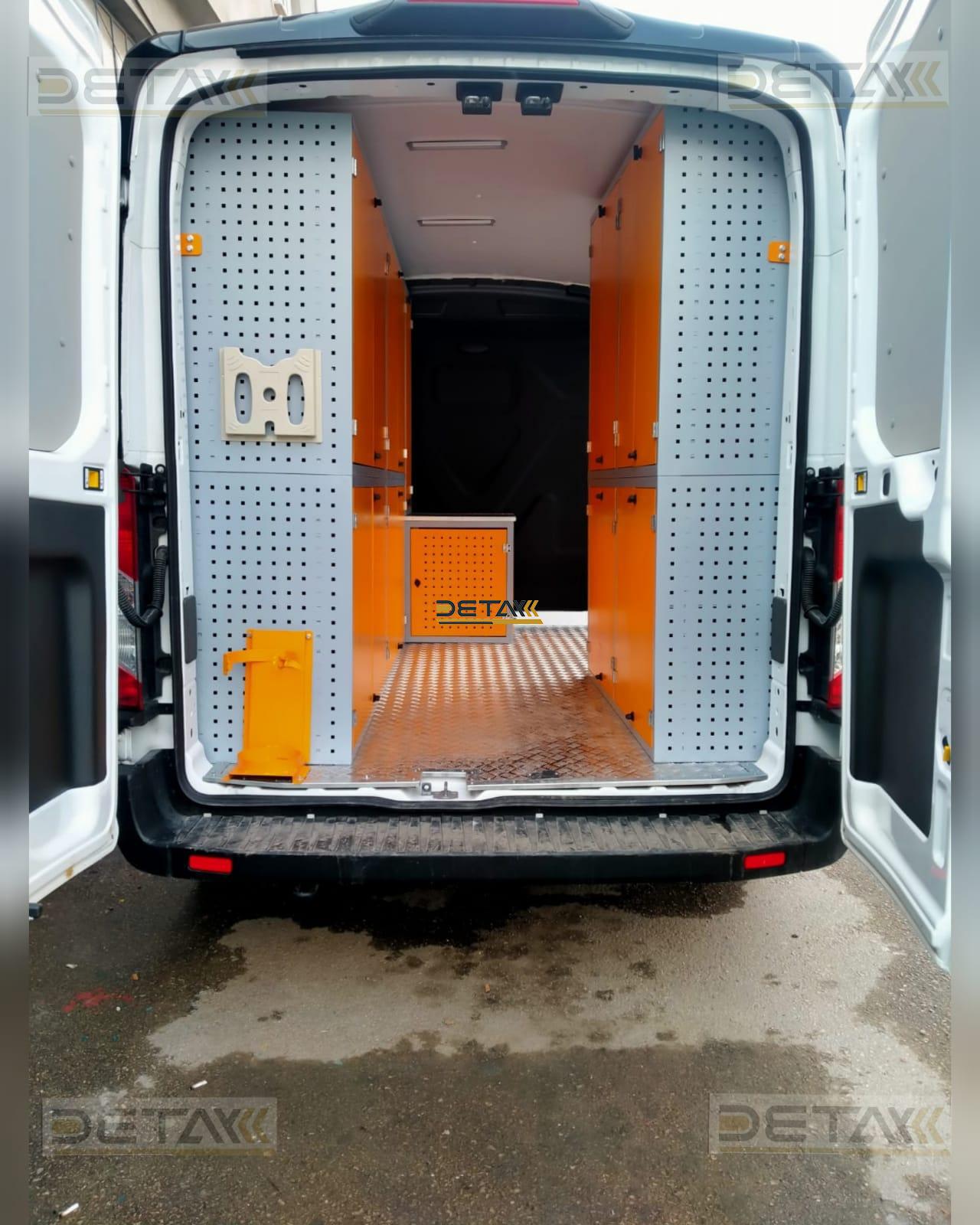
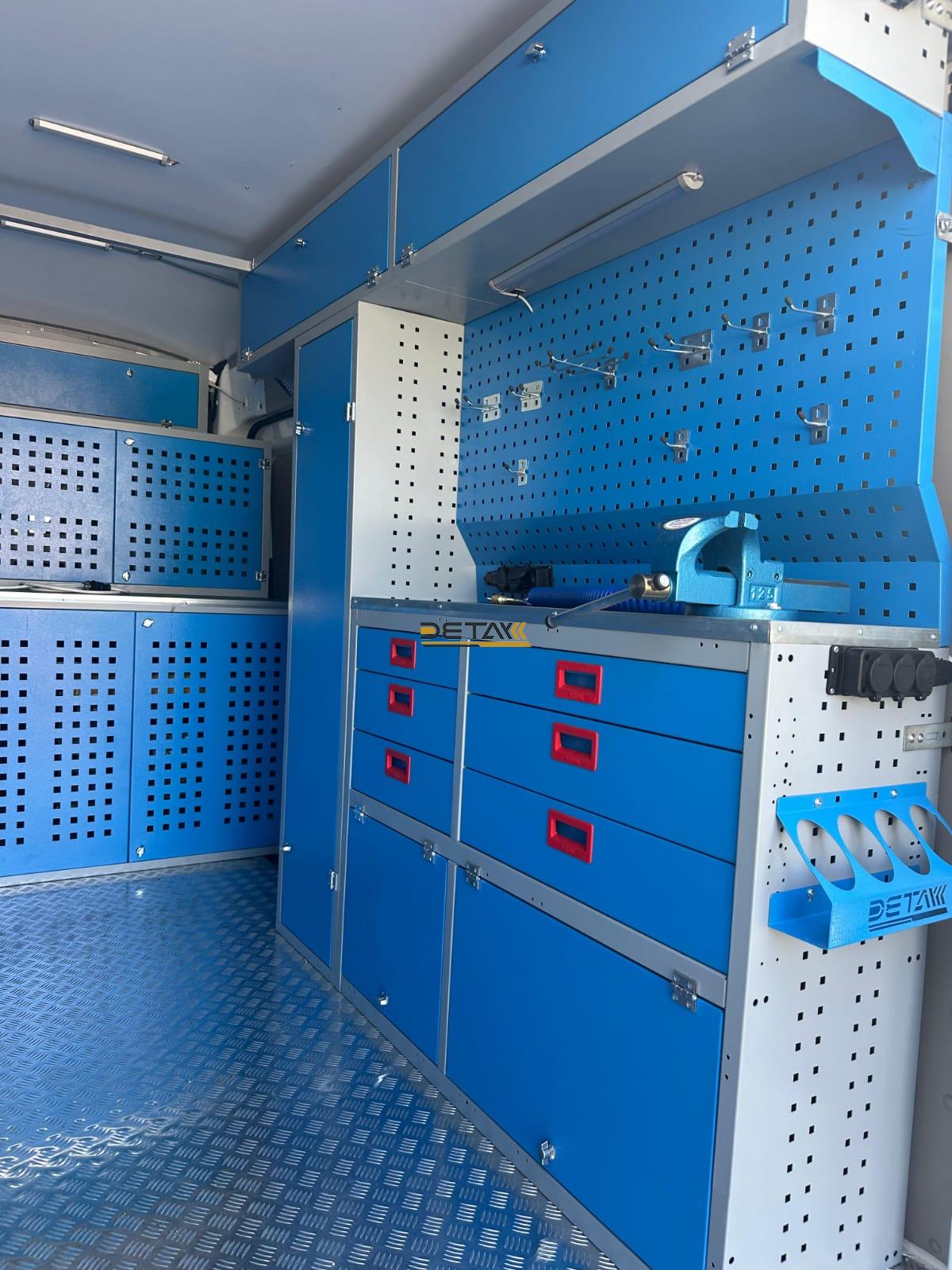
What I really like is that van racking also improves sequencing, because not every tool or material should be equally visible or equally accessible. The smartest layouts put high-frequency items where they can be reached quickly, larger and heavier items where they remain secure and stable, and low-frequency items in secondary spaces that do not interfere with the daily workflow. This may sound like a small planning detail, but it changes everything. Once the van interior starts reflecting the real order of work, the technician spends less time “thinking around the van” and more time solving the customer’s actual problem. In that sense, a service van with the right racking behaves like a compact process map on wheels, and I think that is a wonderful thing for busy service teams 😊
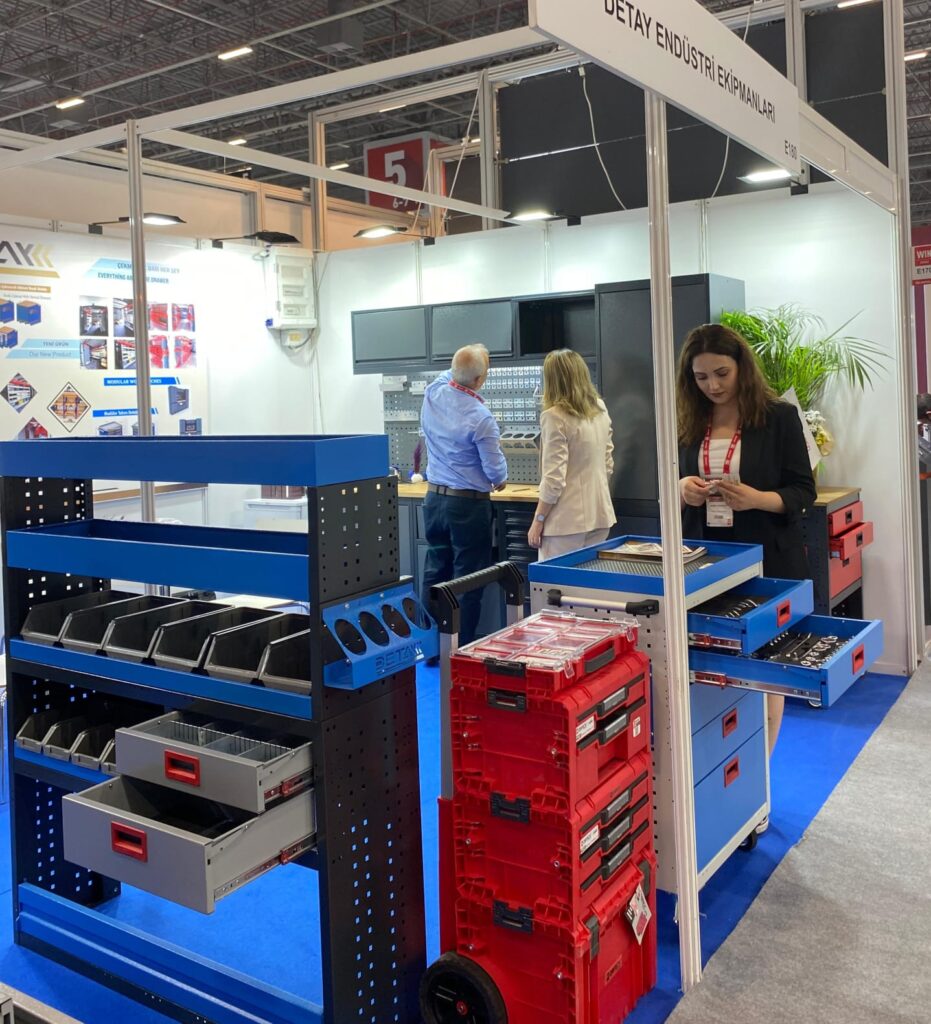
There is also a strong connection between van organization and first-time fix performance. While dispatch systems, routing software, and fleet visibility tools help get the right technician to the right place faster, the technician still needs the right tools and materials under control once they arrive, and that is where the physical interior of the van becomes part of service quality. A neatly planned in-vehicle material cabinet setup supports this by separating parts, consumables, and accessories in a way that reduces mix-ups and makes replenishment easier. I think this connection is very important because companies sometimes separate digital efficiency from physical efficiency, even though in real life they work together. Good dispatch gets the van there. Good racking helps the technician deliver once the van arrives.
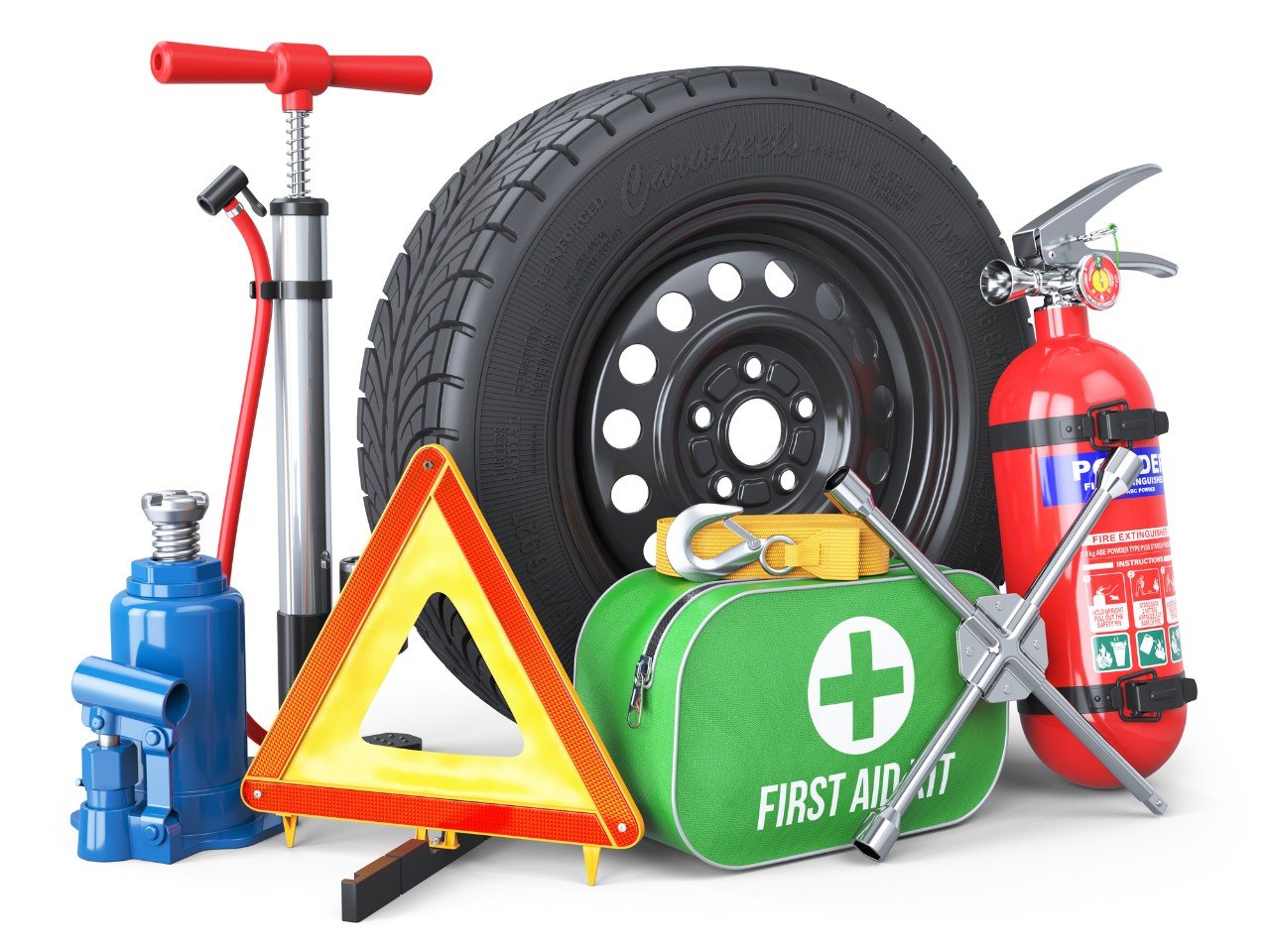
One of the clearest examples is roadside or urgent-response work, where minutes feel much longer because the customer is watching and the situation already has tension built into it. In a well-organized roadside assistance vehicle, the technician can step into the van, reach what is needed, and start acting almost immediately. In a poorly organized van, the first few minutes disappear into searching, moving items, and trying to remember where something was last used. Those minutes matter. They affect customer trust, technician calm, and the whole perceived quality of the service visit. This is another reason I see Detay Industry as such a strong fit for field operations, because the company’s service-vehicle logic is rooted in making mobile work feel more controlled and more professional from the very first interaction.
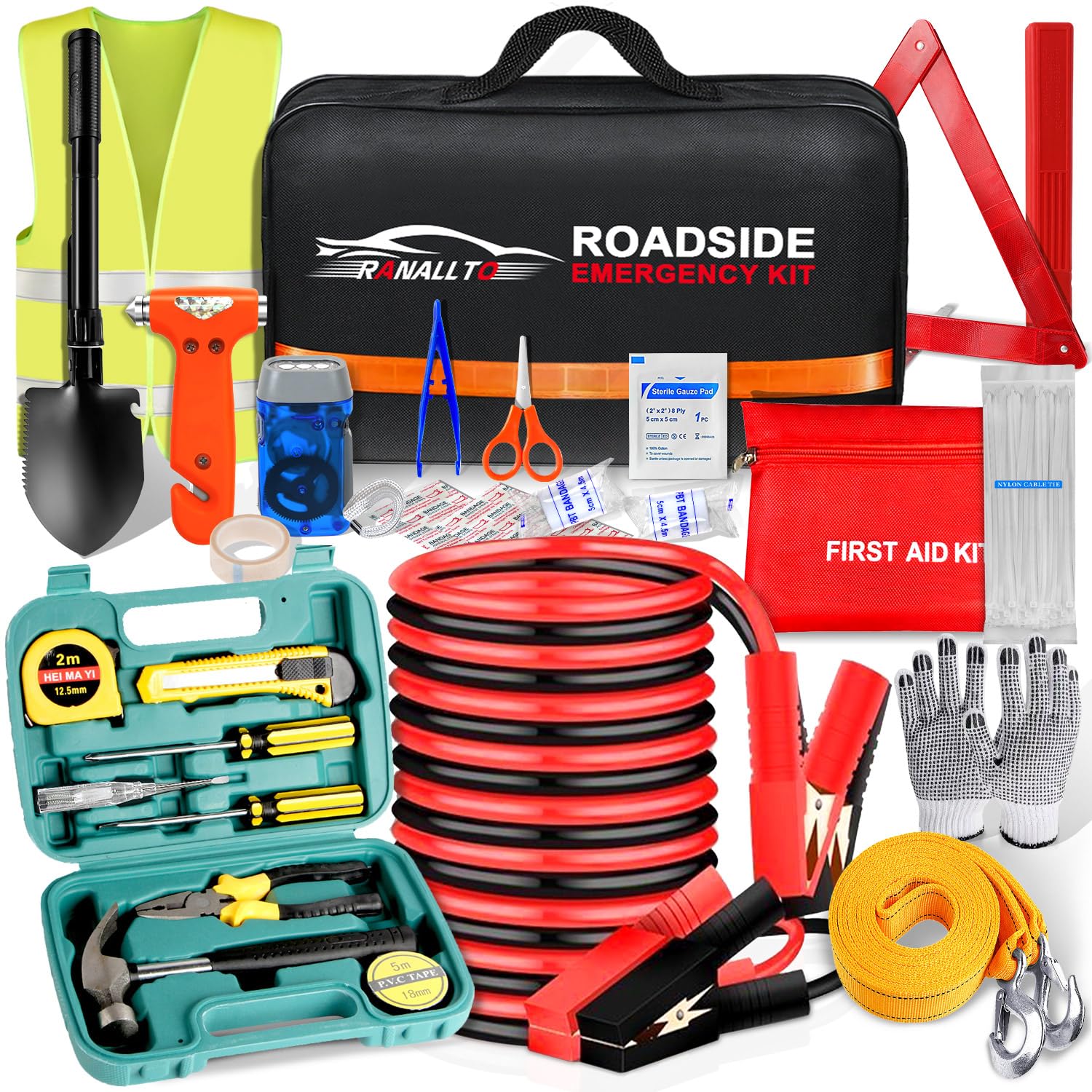
I also think service van racking creates a very real cultural benefit inside service teams, because once the van has a clear structure people are more likely to return tools to the correct position, restock properly, and treat the vehicle like a working system instead of a moving storage compromise. That kind of discipline is hard to build when the interior is vague. A good in-vehicle cabinet layout makes the right behavior easier than the wrong behavior, and that is one of the most powerful things any industrial design can do. The van begins teaching the routine. It becomes obvious when something is missing. It becomes natural to reset the workspace after a job. Over time, that creates better control with less effort, which is exactly the kind of long-term productivity improvement that companies often want but struggle to sustain.
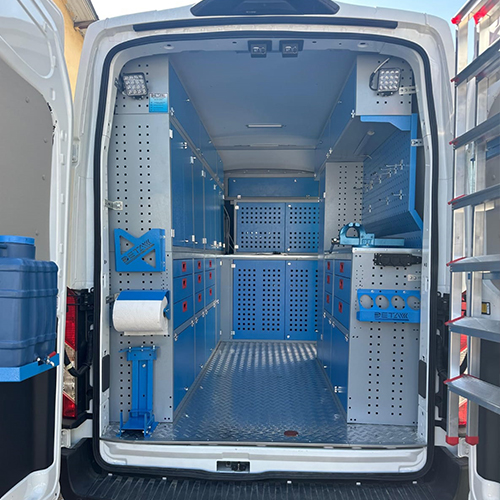
It is also worth saying that van racking improves professionalism in the eyes of the customer, and I do not mean that in a superficial branding sense. I mean that visible order signals competence. When the doors open and the technician works from a structured mobile environment, the customer sees readiness instead of improvisation. That lowers tension and builds confidence before the repair is even complete. I have always believed that operational discipline has a visible texture, and vehicle interiors show that texture very clearly. This is why I see Detay Industry not just as a storage supplier in this category, but as a brand that supports the whole experience of field service, from access speed and tool control to professional presentation and smoother daily routines.
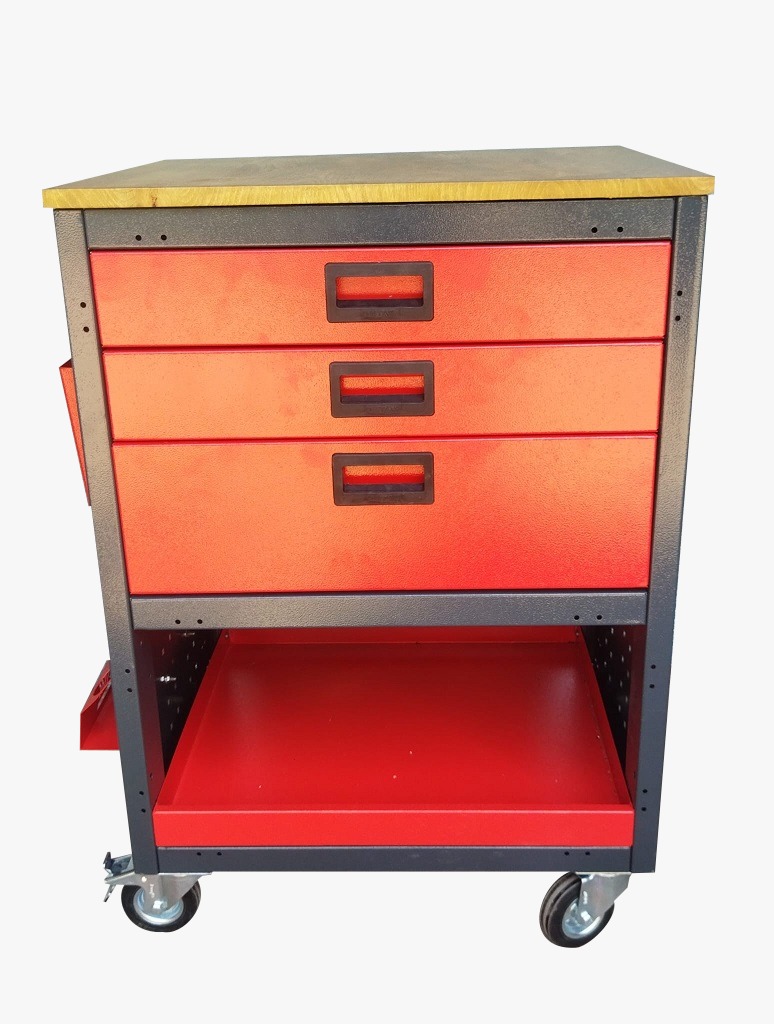
Let me give a simple real-world picture. Imagine two technicians arriving at similar jobs. The first opens a van where cases are stacked randomly, spare parts live in mixed cartons, and hand tools have no fixed return point, so five minutes disappear before the actual work even starts. The second opens a van with a clear in-vehicle rack arrangement, where drawers, shelves, and compartments reflect the real sequence of service work, and the technician starts the job almost immediately. On paper, both technicians may have equal skill, but the second one is being supported by a system that protects time, focus, and control. That difference is exactly what service van racking is really about.
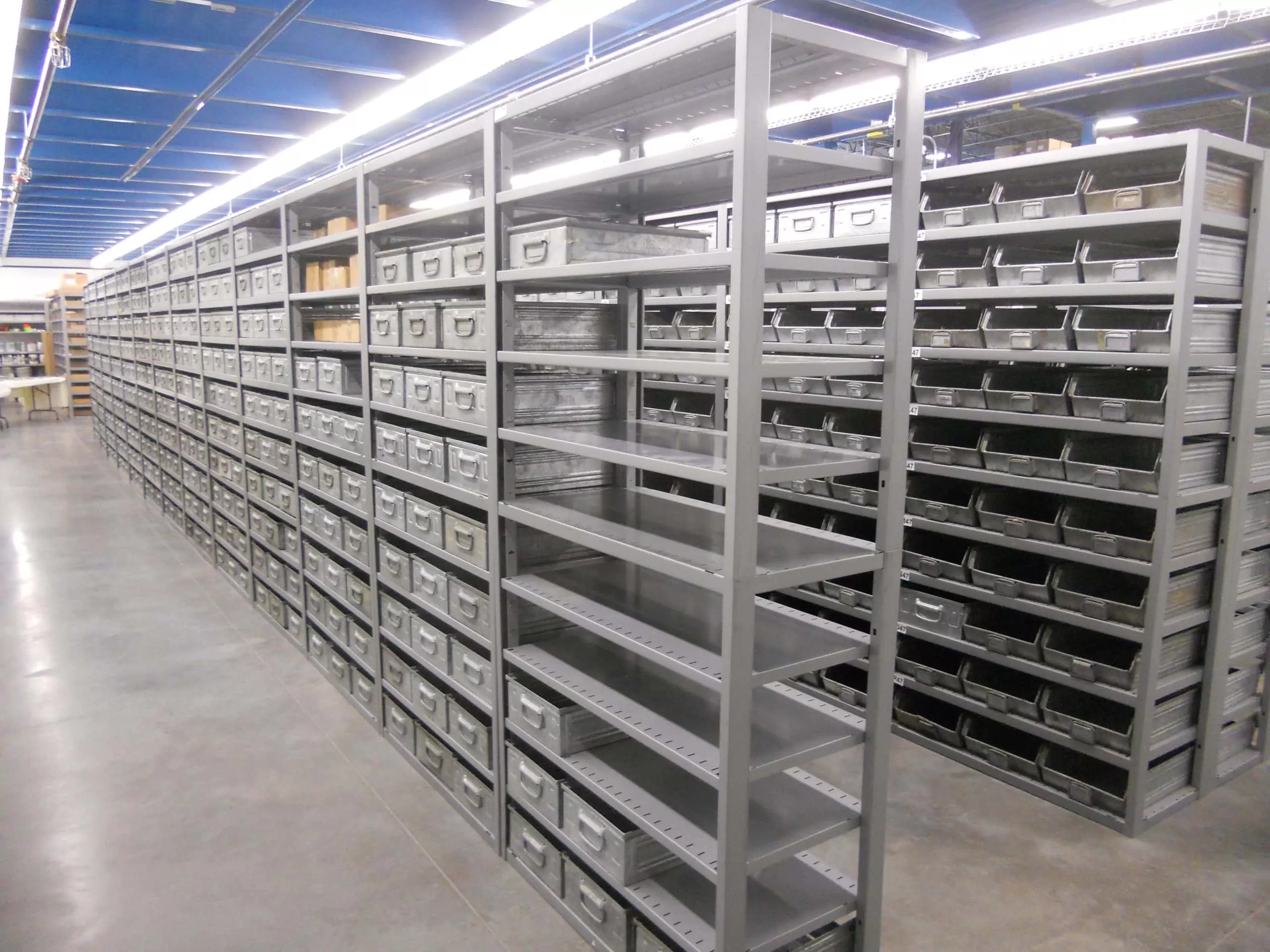
For teams that also rely on workshop preparation before going into the field, it helps when the logic inside the van connects naturally with nearby support areas such as a workbench for kit preparation or a durable industrial table for staging and inspection. I like this ecosystem approach because it means the van does not stand alone. It becomes part of a larger productivity chain, from workshop prep to dispatch to on-site execution.
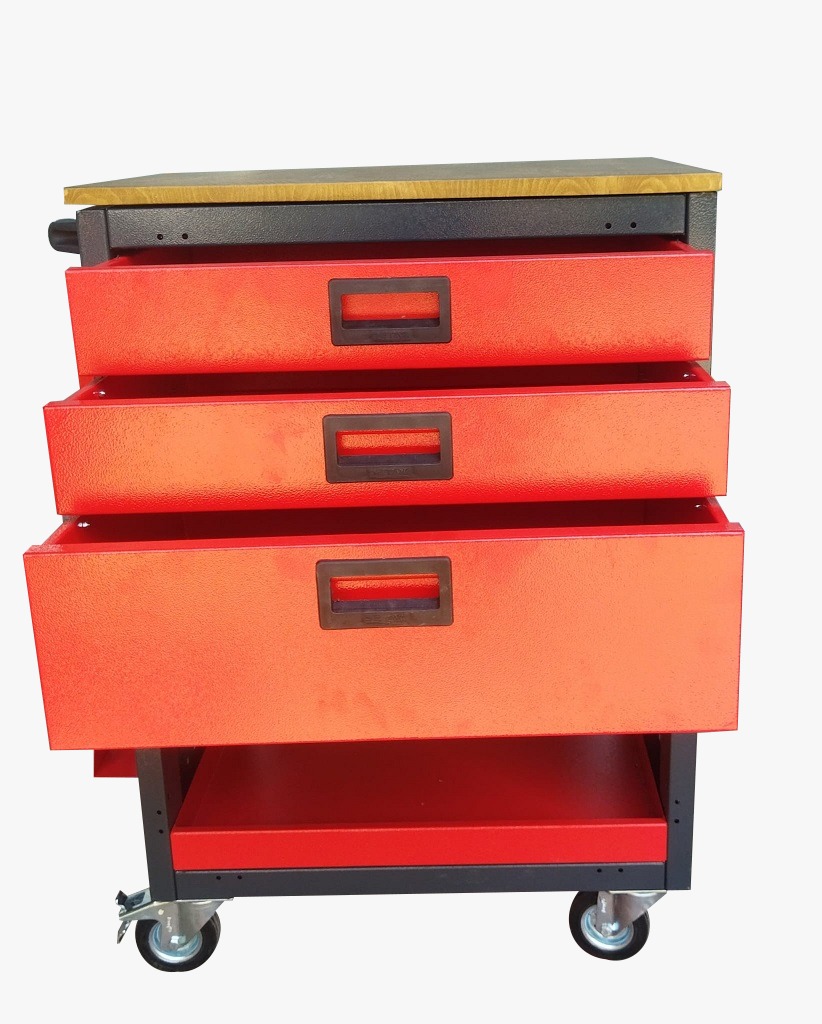
In the end, service van racking improves field technician productivity and tool control because it removes the little frictions that quietly steal time from every call, every route, and every shift. It makes tools easier to find, easier to return, easier to protect, and easier to audit visually. It helps technicians move with less strain, start work faster, and maintain a calmer workflow under real field pressure. When that happens, the van stops behaving like a vehicle full of equipment and starts behaving like a true mobile workstation, and that is exactly why I believe Detay Industry is such a strong fit for companies that want faster field execution, better control, and a more professional service operation overall 🚀
You should also read these…
- godwig.com – how to contact tiktok support for account recovery
- surgeblog.com – fixing disc cannot be read errors on consoles
- beofme.com – high ping in games causes and solutions
- getaluck.com – how to build resilience and bounce back faster
- beofme.com – fixing authentication errors in games
- spyfrogs.com – identity photo freezes while uploading heic jpeg c
- tugmen.com – viewing and engagement issues and solving method o
- spyfrogs.com – something went wrong error causes and step by step
- closedad.com – tiktok screen going black fix guide
- sixrep.com – posting without violating tiktok community guideli