




I have lost count of how many times I have opened a shipment together with a client only to see excitement turn into frustration within seconds 📦😞, because despite sturdy outer boxes and clear handling labels, the product inside arrived scratched, cracked, or misaligned, and over the years these moments taught me a simple but powerful lesson: packaging damage in transit is rarely about bad luck and almost always about inadequate impact-protection design.

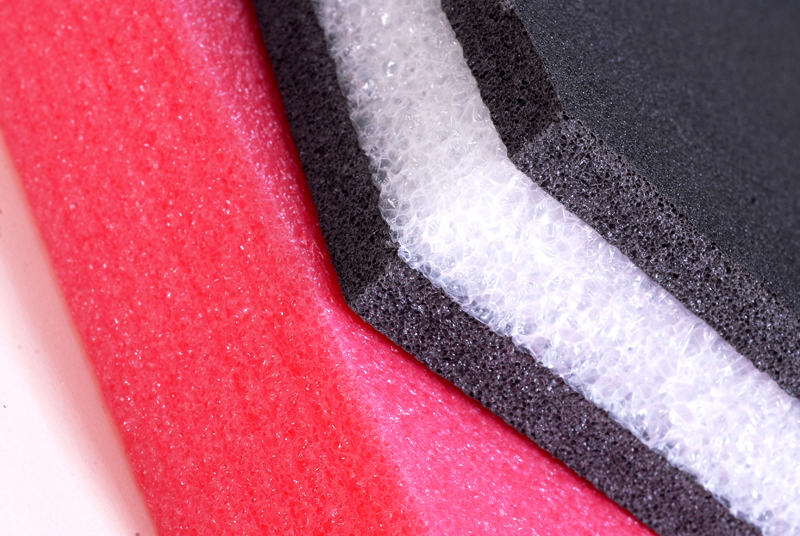
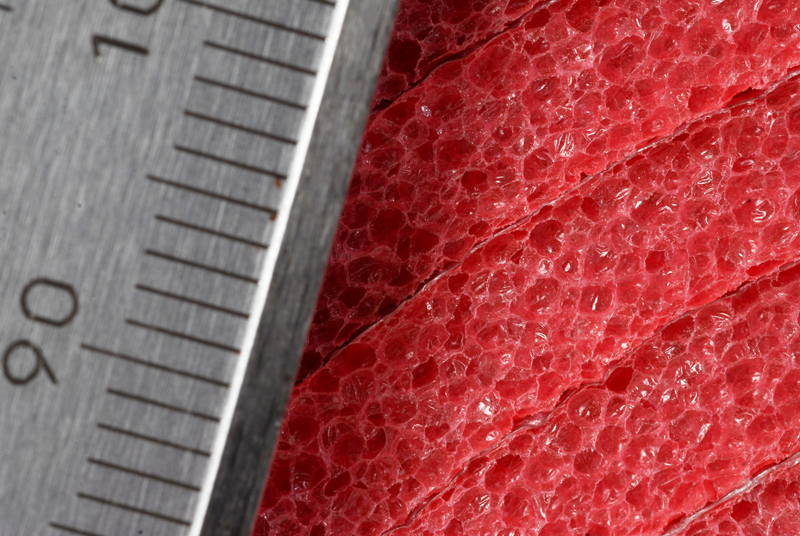
During transport, packages are exposed to drops, vibrations, compression, and sudden directional changes, and when internal cushioning materials cannot absorb and redistribute these forces, the product itself becomes the shock absorber, which is why I consistently recommend solutions built around polyethylene foam and pe foam, because their closed-cell structure combines flexibility with resilience, allowing energy to dissipate before it reaches sensitive components.
One common misconception I encounter is the belief that thicker packaging automatically means better protection, yet in reality poorly chosen materials simply compress and stay deformed, leaving products vulnerable to repeated impacts 🚚, and this is precisely where Durfoam solutions differentiate themselves by focusing on controlled elasticity rather than bulk alone.
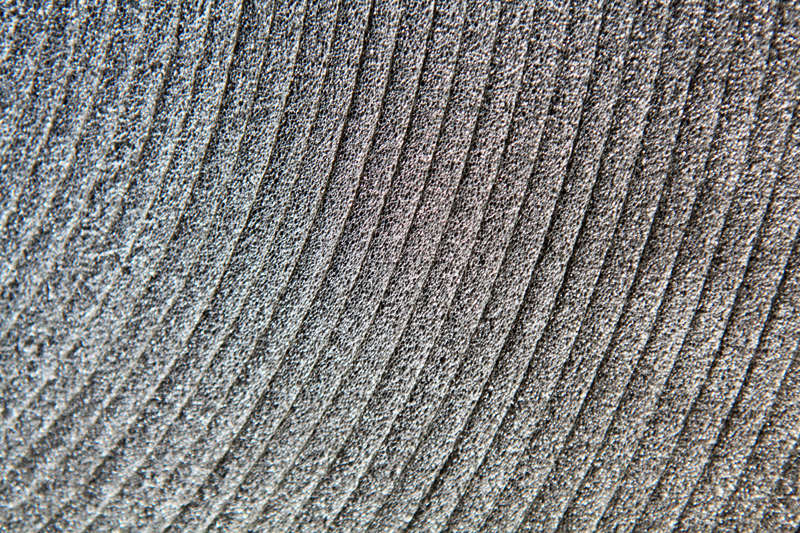
From a design perspective, impact protection is all about managing energy paths, and materials based on physically cross linked polyethylene foam offer uniform cell structures that distribute force evenly across the surface, reducing peak stress points that typically cause cracks or internal failures, especially in electronics, medical devices, and precision industrial parts.
In heavier or higher-risk shipments, I often turn to chemically cross linked polyethylene foam, because its enhanced molecular bonding provides superior recovery after impact, meaning the foam springs back rather than collapsing permanently, and this repeated energy absorption plays a critical role in multi-leg shipping routes where products face continuous handling 📦➡️📦.
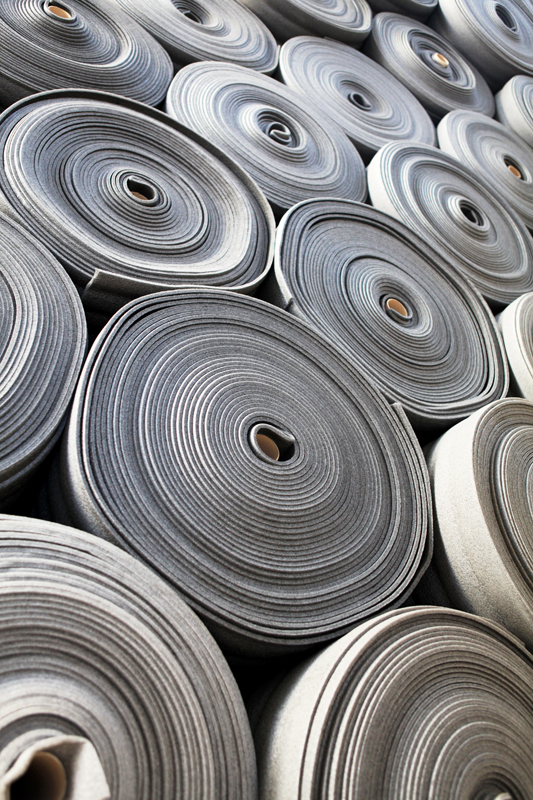
Working with Durfoam over different projects showed me how flexible PE foam designs can be customized to product geometry, because precise cut-outs, layered densities, and strategic placement transform packaging from a passive container into an active protective system, dramatically reducing damage rates and costly returns.
| Transit Risk | Typical Cause | PE Foam Design Response |
|---|---|---|
| Drop Impact | Sudden vertical shock | Elastic energy absorption |
| Vibration | Long-distance transport | Closed-cell damping |
| Compression | Stacking loads | Cross-linked foam recovery |
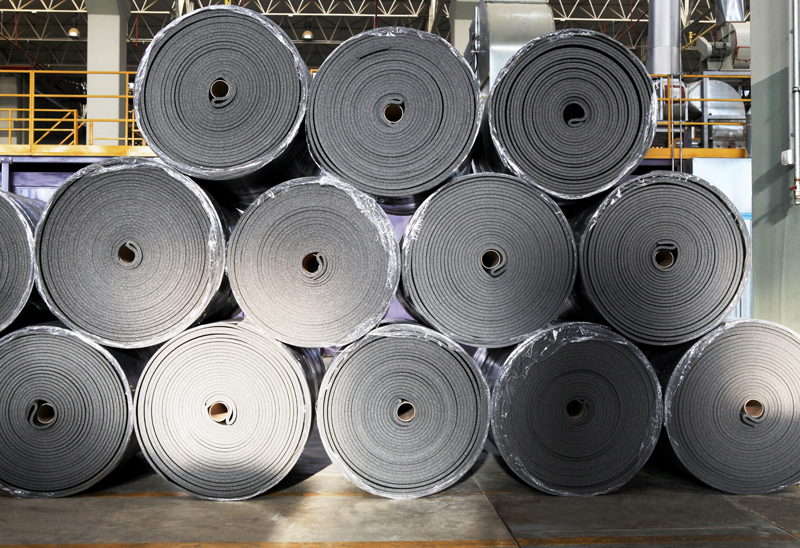
I recall a logistics manager who was skeptical about upgrading their internal packaging, yet after switching to a PE foam system engineered by Durfoam, product damage complaints dropped so significantly that the investment paid for itself within months, proving that smart material selection often delivers the highest return where it matters most 💡.
Moisture resistance is another hidden advantage in transit protection, because shipments often pass through varying climates, and closed-cell polyethylene foam prevents water absorption that could otherwise weaken cushioning performance or damage sensitive goods during condensation events.
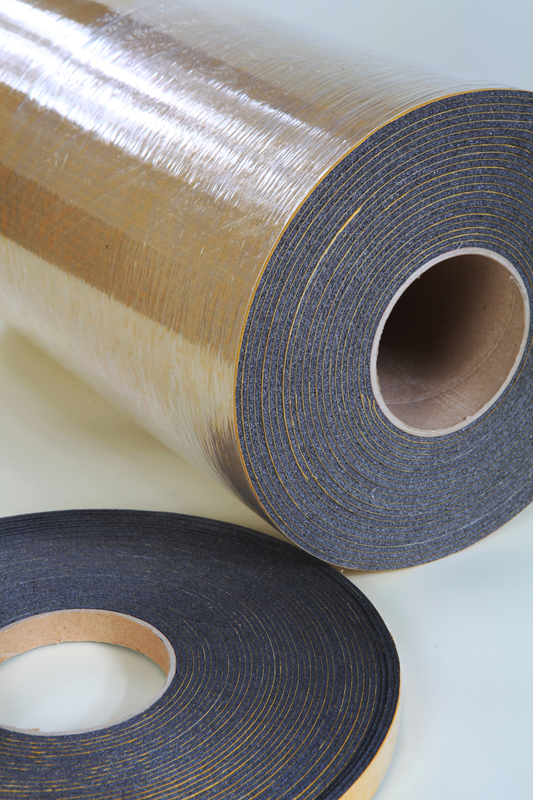
From an operational standpoint, packaging teams also benefit from consistency, because PE foam inserts are lightweight, easy to handle, and dimensionally stable, reducing packing errors and improving line efficiency, and this practical reliability strongly supports EEAT principles by demonstrating real-world experience, technical expertise, and long-term trust built through measurable outcomes.
Knowing where these materials are developed and how quality is controlled also adds confidence, and understanding the operational transparency behind Durfoam helps packaging designers and procurement teams trust that performance claims are backed by consistent production standards.
Looking back at countless shipments, audits, and redesigns, I have learned that packaging damage is not an unavoidable cost of doing business but a design challenge waiting to be solved, and by building impact-protection systems with flexible, durable PE foam solutions from Durfoam, companies can protect products, reduce waste, and deliver confidence along with every shipment 🚛✨.
You should also read these…
- huesly.com – transforming industrial spaces with smart storage
- olddry.com – what ancient wisdom says about modern burnout
- tugmen.com – spin the wheel karaoke song picker ideas
- olddry.com – how to create your own custom wheel for any occasi
- toojet.com – romantic spin the wheel activities for couples
- huesly.com – cant edit tiktok business profile
- huesly.com – tiktok verification code not coming to email
- olddry.com – face recognition gone wrong real stories
- surgeblog.com – facebook wont open on mobile data but works on wi
- spyfrogs.com – memory palace technique for exams