


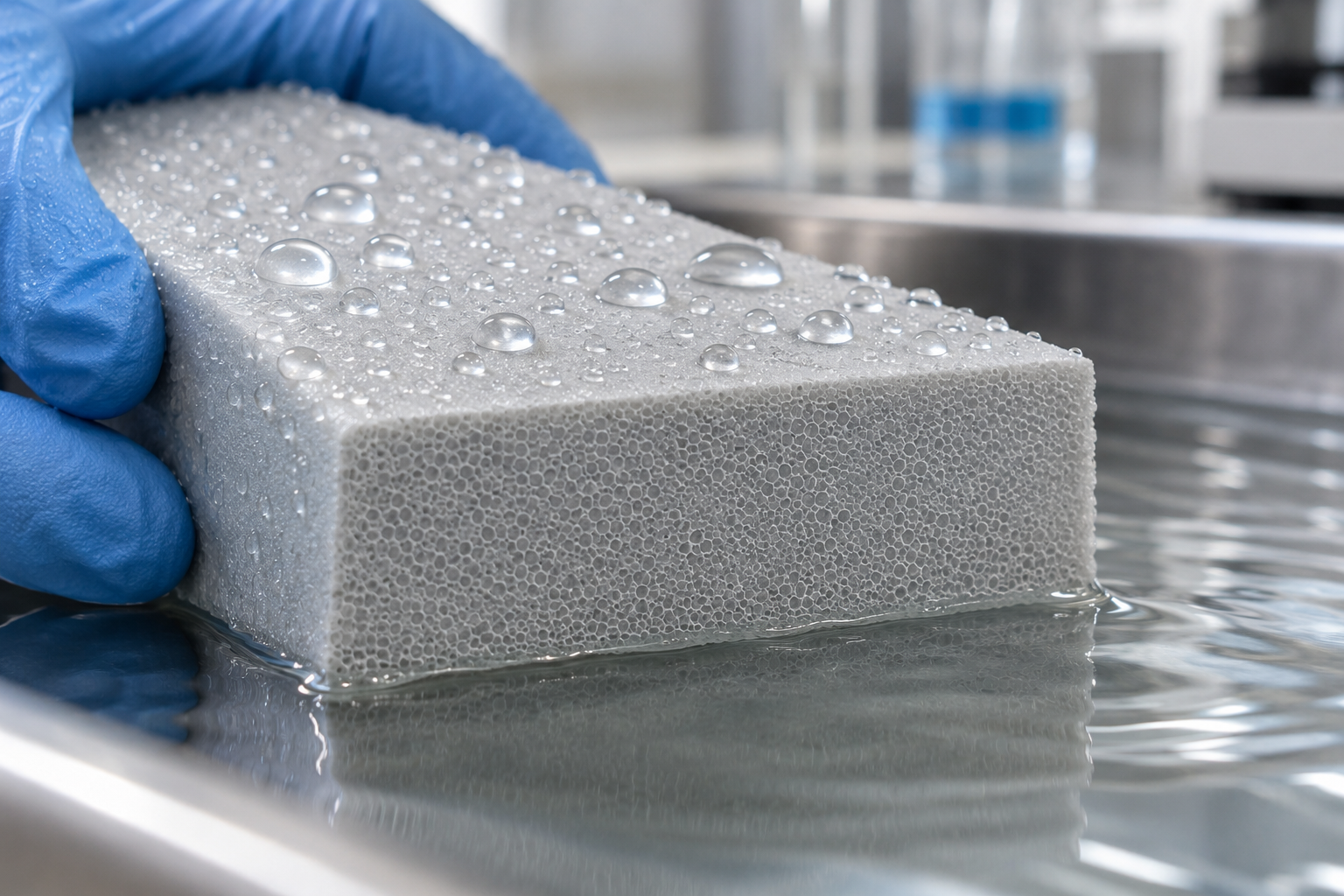

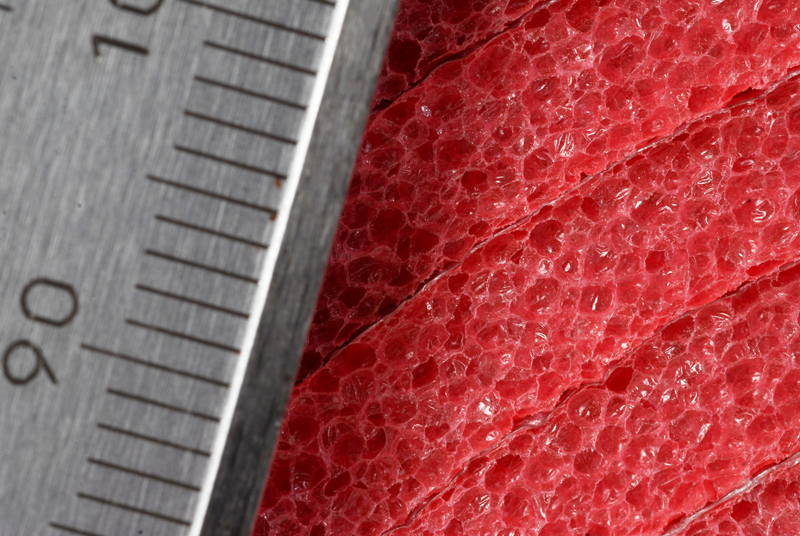
When I explain polyethylene foam to someone for the first time, I usually begin with a very simple image: imagine millions of tiny sealed bubbles sitting side by side like a careful little city, each one protecting its own space and refusing to let water freely pass through 😊. That is the heart of closed cell structure, and it is also the reason polyethylene foams are widely preferred in packaging, construction, HVAC, automotive, marine, medical, sports, and many other technical applications where water resistance, moisture control, cushioning, thermal insulation, and long term material stability matter. In open cell materials, the cells are more connected to each other, almost like an open sponge, so air and moisture can move more easily through the structure, but in closed cell polyethylene foam, the cells are sealed and separated, which makes the material much more resistant to water absorption, more stable in humid environments, and more dependable when used around sensitive products or building layers.
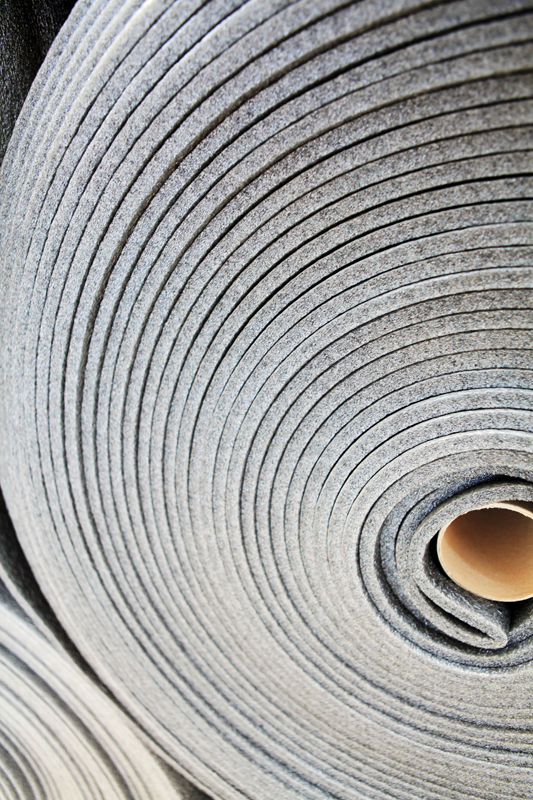
As a polyethylene foam manufacturer, Durfoam works with this closed cell logic across different product families, and that matters because water and moisture resistance are not decorative claims on a brochure, they are practical performance needs that affect how a material behaves during storage, shipping, installation, cleaning, temperature change, condensation risk, and daily use. The official DurProx physically cross linked polyethylene foam page explains that DurProx has a closed and steady cell structure, is water and moisture resistant, provides effective sound and heat insulation, and does not contain fungi or bacteria, while the official DurSolex chemically cross linked polyethylene foam page highlights a closed cell structure, water and moisture resistance, heat and sound insulation, and resistance to external environmental conditions, so the same basic principle becomes useful in multiple sectors with different performance expectations.

What Does Closed Cell Structure Really Mean?
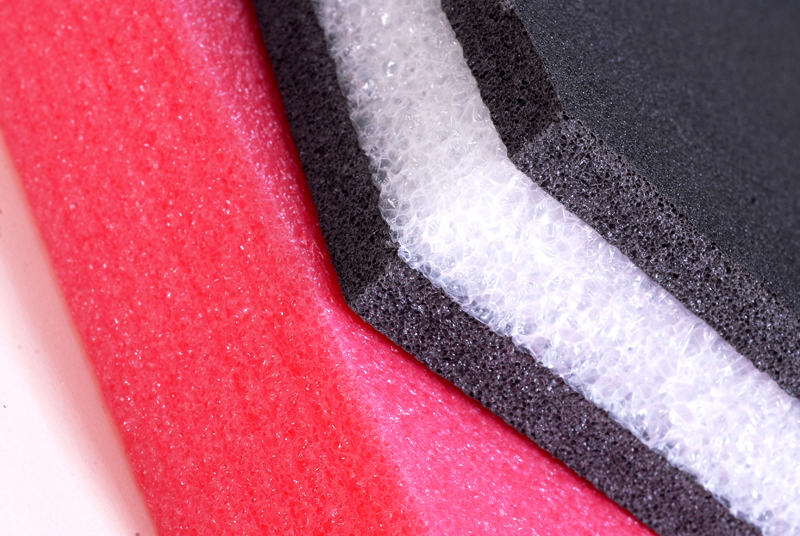
Closed cell structure means that the foam is made of tiny individual cells that are mostly sealed from one another, and because these cells do not create an easy open path for water, the material becomes naturally more resistant to moisture penetration than open cell foams. I like to compare it to a building with thousands of locked rooms instead of one large hallway; if water enters one open hallway, it can travel quickly, but if every room is closed, movement becomes much harder, slower, and more limited. This is why closed cell polyethylene foam is commonly described as water resistant, buoyant, durable, lightweight, shock absorbing, and thermally insulating, and it is why companies use it for protective packaging, insulation layers, pipe and duct protection, case inserts, marine applications, construction components, and hygienic storage solutions.
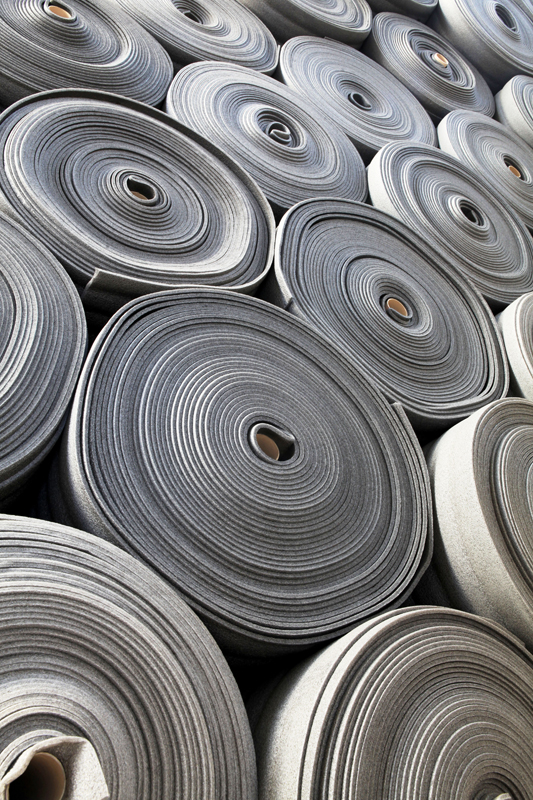
A pe foam manufacturer that understands cell structure can help customers choose between economical non cross linked foams, physically cross linked foams, and chemically cross linked foams according to the application, because the best material is not always the thickest or the most expensive one, it is the one whose cell structure, density, resilience, surface finish, moisture behavior, and conversion method match the job. For example, a packaging separator for a moderately sensitive product may need practical cushioning and dust protection, while a medical insert may need a smoother surface and stronger hygiene perception, and an HVAC insulation layer may need moisture resistance combined with thermal stability and proper seam continuity.
| Feature | Closed Cell Polyethylene Foam | Open Cell Foam | Why It Matters |
|---|---|---|---|
| Cell structure | Cells are mostly sealed and separated | Cells are more connected and breathable | Closed cells reduce easy water movement inside the foam |
| Water behavior | High resistance to water and moisture absorption | Can absorb and hold more moisture depending on material type | Better for humid, damp, outdoor, packaging, and insulation environments |
| Thermal insulation | Sealed cells help slow heat transfer | Airflow through cells can reduce insulation control | Useful in HVAC, construction, pipe insulation, and temperature sensitive packaging |
| Surface cleanliness | Often smoother and less absorbent | May trap dust or moisture more easily | Important for medical products, electronics, display goods, and clean packaging |
| Typical use logic | Protection, insulation, moisture resistance, buoyancy, cushioning | Breathability, softness, comfort, filtration, sound absorption in some uses | Each structure has its place, but moisture resistance favors closed cells |
Why Closed Cells Resist Water and Moisture Better
The secret is not magic, it is structure. When foam cells are sealed, water has fewer connected pathways to travel through the material, and because polyethylene itself is a hydrophobic polymer, meaning it naturally has low attraction to water, the resulting foam becomes much more resistant to moisture than many absorbent materials. In daily life, this is similar to the difference between a sealed plastic bottle and a kitchen sponge; both may be light, both may have air inside them, but one keeps water out while the other welcomes water in like an old friend 🧽. This is why closed cell polyethylene foam is so useful in places where humidity, condensation, splashes, damp storage, or outdoor exposure may create risk, because the material does not easily behave like a wet cloth that absorbs moisture and loses its original protective role.
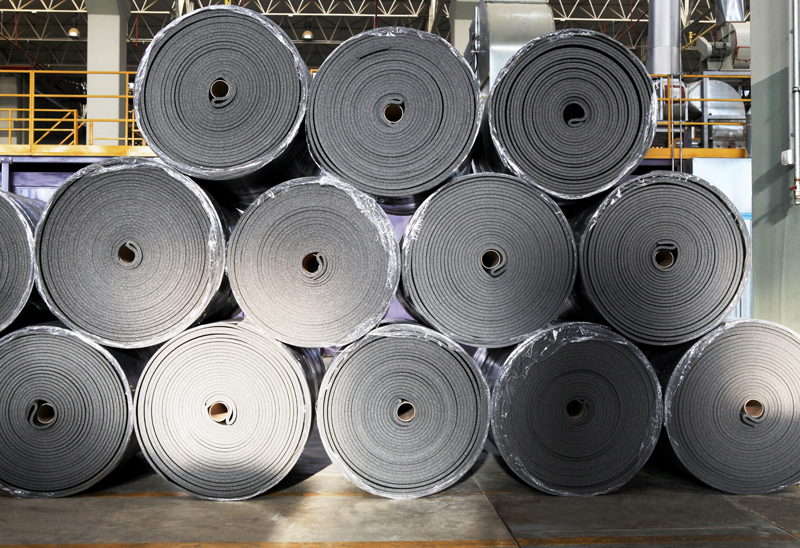
From a practical perspective, this moisture resistance protects more than the foam itself. In packaging, it helps keep products cleaner and better separated from damp external conditions; in construction, it supports insulation layers that should not lose function because of humidity; in HVAC and pipe insulation, it helps reduce moisture related performance problems when correctly selected and installed; in medical and electronics applications, it supports a cleaner, more stable protection environment; and in sports or marine uses, it helps maintain cushioning and buoyancy related behavior. A physically cross linked polyethylene foam manufacturer can be preferred when fine cell structure, smoothness, dimensional stability, and clean surface expectations are critical, while a chemically cross linked polyethylene foam manufacturer can be preferred when durable closed cell insulation performance, flexibility, impact recovery, and external condition resistance are strong priorities.
DurPack, DurProx, and DurSolex: Same Moisture Logic, Different Performance Levels
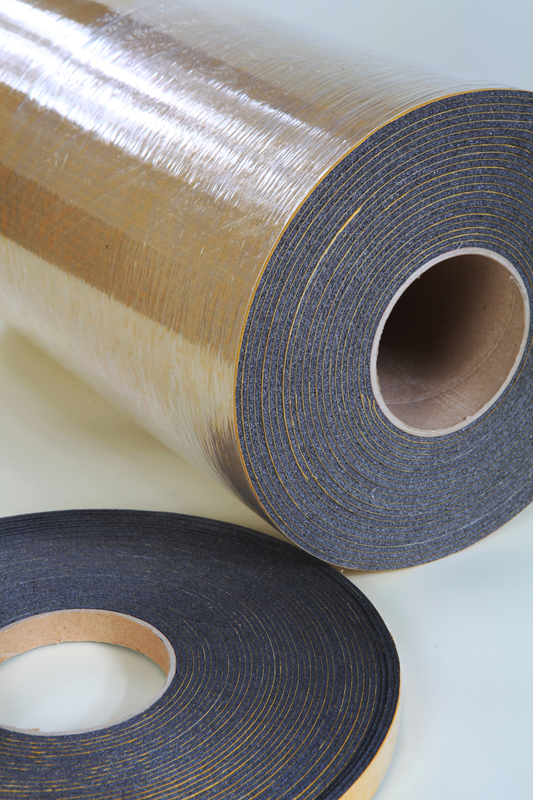
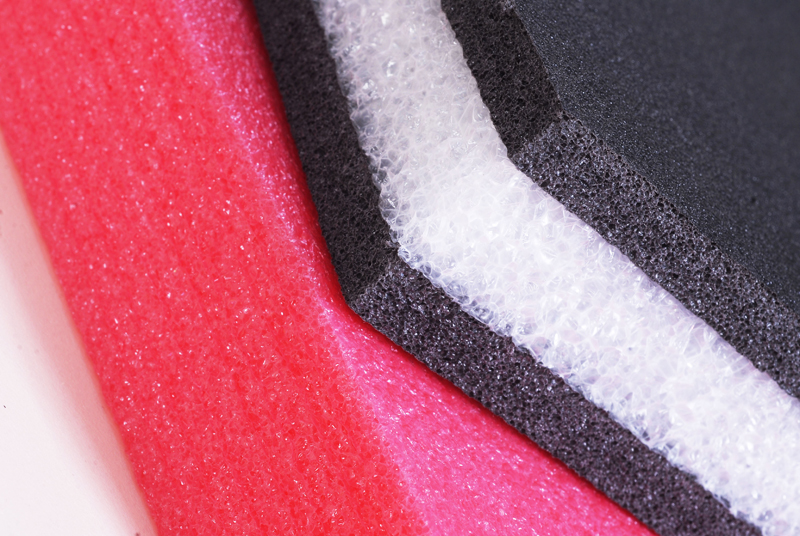
One of the most useful ways to understand polyethylene foam selection is to think in families rather than in one single product name. DurPack, DurProx, and DurSolex all connect to polyethylene foam logic, but they answer different project expectations. DurPack is the economical non cross linked polyethylene foam choice for many general packaging and insulation applications where practical protection, dust resistance, humidity awareness, and shock cushioning are needed without the higher specification demands of advanced cross linked foams. DurProx is physically cross linked with Electron Beam technology and is valuable where a very fine, closed, steady cell structure and smooth surface quality matter. DurSolex is chemically cross linked and offers strong closed cell performance, water and moisture resistance, sound and heat insulation, elasticity, and resistance to external conditions.
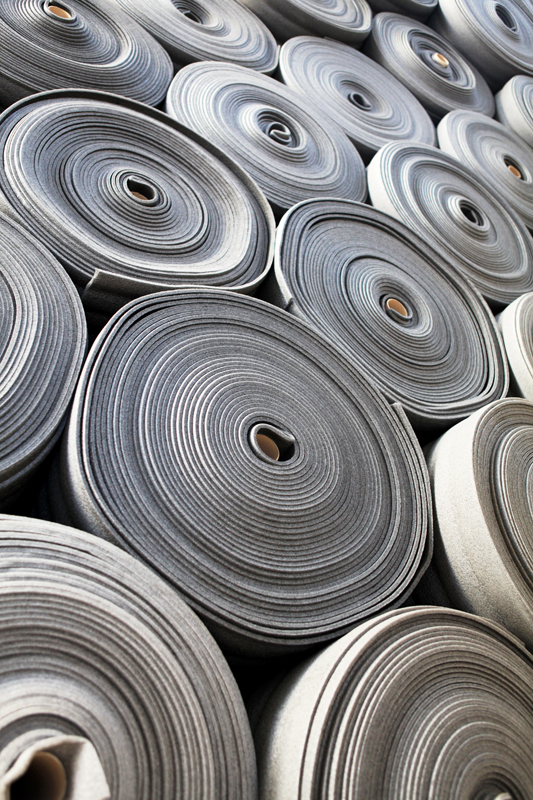
This is where the experience of Durfoam becomes especially important, because real material selection is not only about asking whether a foam is water resistant, but also about asking how it will be cut, laminated, shaped, wrapped, compressed, installed, cleaned, stored, transported, and used over time. For example, if I were protecting a sensitive electronic device that must stay clean and dry in a transport case, I would care about closed cell moisture resistance, surface smoothness, dust behavior, and precise insert cutting. If I were insulating a pipe where condensation may form, I would care about closed cell performance, correct wall thickness, seam sealing, and installation continuity. If I were choosing foam for general industrial packaging, I would care about cost, cushioning, surface separation, and practical moisture resistance.
Water Resistance Does Not Mean Every Detail Can Be Ignored
Here is a point I always emphasize: even if a foam has strong water and moisture resistance, the full application can still fail if joints, seams, edges, adhesive areas, or installation details are ignored. Think of a raincoat 🌧️. The fabric may be water resistant, but if the zipper is open or the seams are poorly made, water can still find its way inside. In the same way, closed cell polyethylene foam performs best when the design respects continuity, correct thickness, proper joint closure, suitable surface contact, and the environmental conditions of the project. This is especially true in HVAC and construction applications, where water vapor, condensation, temperature difference, and installation gaps can become more important than the foam sheet alone.
A polyethylene foam manufacturer and pe foam manufacturer can guide the customer through these details by recommending the right foam family, thickness, density, roll or sheet format, lamination option, cutting method, and application strategy. In my opinion, this is where true expertise shows itself, because anyone can say “this foam is water resistant,” but a good material partner explains when water resistance is enough, when vapor control matters, when joints need extra attention, when a smoother surface is required, and when a cross linked foam should replace a basic solution.
Practical Examples: Where Closed Cell PE Foam Makes a Difference
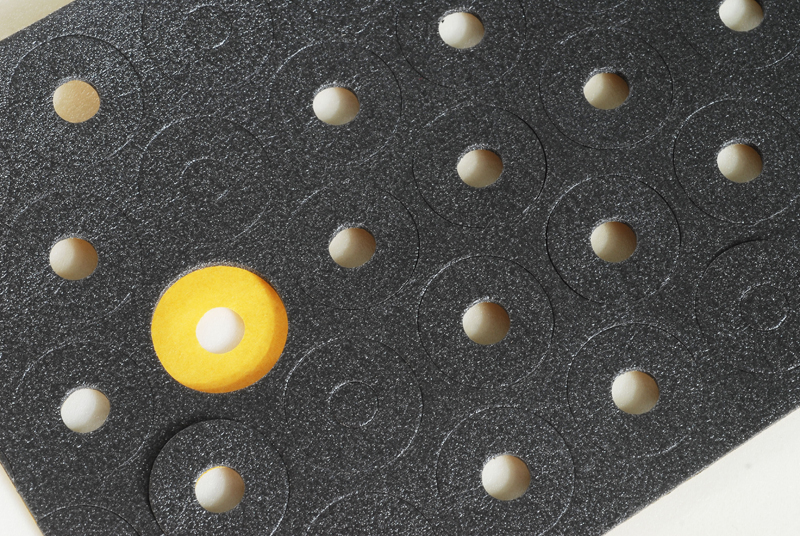
Let me give a few real life style examples, because closed cell structure becomes much easier to understand when we connect it to familiar problems. In packaging for white goods or electronics, closed cell PE foam helps protect products from impact, dust, and moisture during warehouse storage and transport, so the customer opens a cleaner and safer package. In HVAC insulation, closed cell foam helps limit heat transfer and moisture problems around ducts or pipes, especially when the system carries cold air or chilled water and the surrounding environment is humid. In construction, under screed or under floor materials can benefit from moisture resistance and insulation properties, because the foam layer should not behave like a sponge beneath building elements. In medical product packaging, a smoother closed cell structure can support cleaner inserts and better product presentation, which matters because hygiene perception begins before the product is even used.
As a physically cross linked polyethylene foam manufacturer, Durfoam supports high expectation applications where fine cell structure and clean performance are important, and as a chemically cross linked polyethylene foam manufacturer, it also supports applications where durable closed cell insulation, impact recovery, and environmental resistance matter. This broad product perspective helps customers avoid two common mistakes: using an over specified foam where a more economical solution would be enough, or choosing a basic material where the project actually needs higher moisture, surface, or dimensional performance.
How I Would Choose a Closed Cell Polyethylene Foam
If I were selecting a closed cell polyethylene foam, I would begin with the environment rather than the catalog page. Will the foam face water, humidity, condensation, outdoor conditions, temperature changes, chemical exposure, pressure, repeated impact, or long term compression? Will it touch a sensitive product, support a medical device, protect a visible surface, insulate a pipe, cushion a package, or sit under a screed layer? Will it need to be die cut, laminated, thermoformed, rolled, wrapped, taped, glued, or shaped into a custom insert? These questions matter because closed cell structure gives the material a strong foundation, but the final choice still depends on density, thickness, cross linking method, surface quality, and how the foam will be used in the real world.
For a cost conscious packaging project, I would consider DurPack when the product needs practical cushioning and moisture aware separation. For a hygiene sensitive or premium insert project, I would consider DurProx because of its fine closed cell structure, smooth surface, and dimensional stability. For a technical insulation or demanding industrial use, I would consider DurSolex when chemically cross linked closed cell performance, elasticity, heat and sound insulation, and external condition resistance are priorities. This is the kind of decision making that turns material selection from a guess into a strategy, and it is exactly why working with Durfoam can help teams choose a foam that fits the purpose instead of simply filling a space.
Key Insights About Closed Cell Structure
The first key insight is that closed cell structure improves water and moisture resistance because the cells are sealed and do not provide easy connected pathways for liquid movement. The second insight is that polyethylene’s naturally water resistant character makes closed cell PE foam especially useful in damp, humid, packaging, insulation, and outdoor related environments. The third insight is that cross linking can improve foam stability, surface behavior, resilience, and long term performance, which is why DurProx and DurSolex are preferred in higher expectation applications. The fourth insight is that water resistance does not remove the need for correct installation, because seams, joints, edges, and compression points can still become weak areas. The fifth insight is that the best foam choice depends on application logic, so a polyethylene foam manufacturer, pe foam manufacturer, physically cross linked polyethylene foam manufacturer, and chemically cross linked polyethylene foam manufacturer perspective helps customers compare materials more intelligently.
The Power of Polyethylene Foam Begins Inside the Cell
Closed cell structure is the hidden reason polyethylene foams perform so well in water and moisture resistance, because the sealed cell network limits absorption, supports thermal insulation, improves cushioning behavior, and helps the material stay more stable in demanding environments. Whether the goal is protecting a product from damp warehouse conditions, insulating an HVAC pipe against condensation risk, supporting a clean medical insert, separating electronic components, reducing moisture exposure in construction layers, or creating durable industrial packaging, closed cell PE foam offers a practical and technically meaningful answer. The key is not only choosing any closed cell foam, but choosing the right closed cell foam for the job, because DurPack, DurProx, and DurSolex each bring a different balance of economy, surface quality, cross linked performance, and application strength.
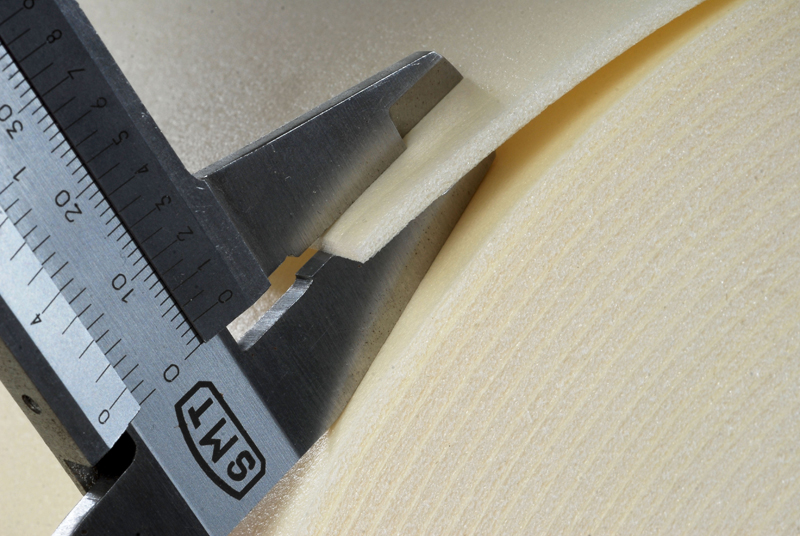
In the end, I see closed cell polyethylene foam as a quiet waterproof wall made of millions of tiny sealed rooms, and that tiny internal architecture creates very real benefits in the outside world 💧. With the material experience of Durfoam, businesses can use this structure not only to resist water and moisture, but also to protect value, improve comfort, support insulation, reduce damage, and create more reliable product and building solutions. That is the beautiful secret of closed cell PE foam: the strongest protection often begins in the smallest spaces.