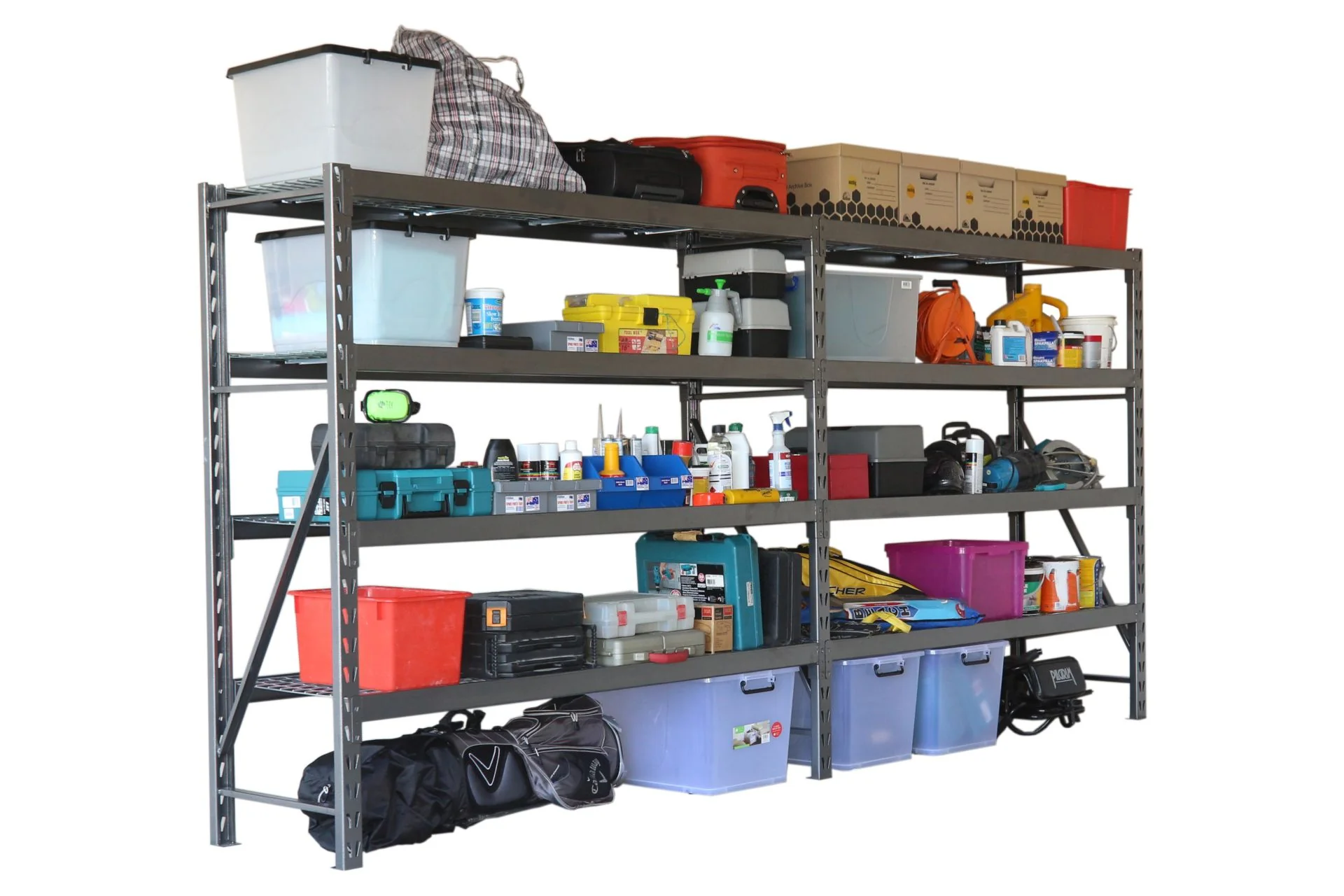


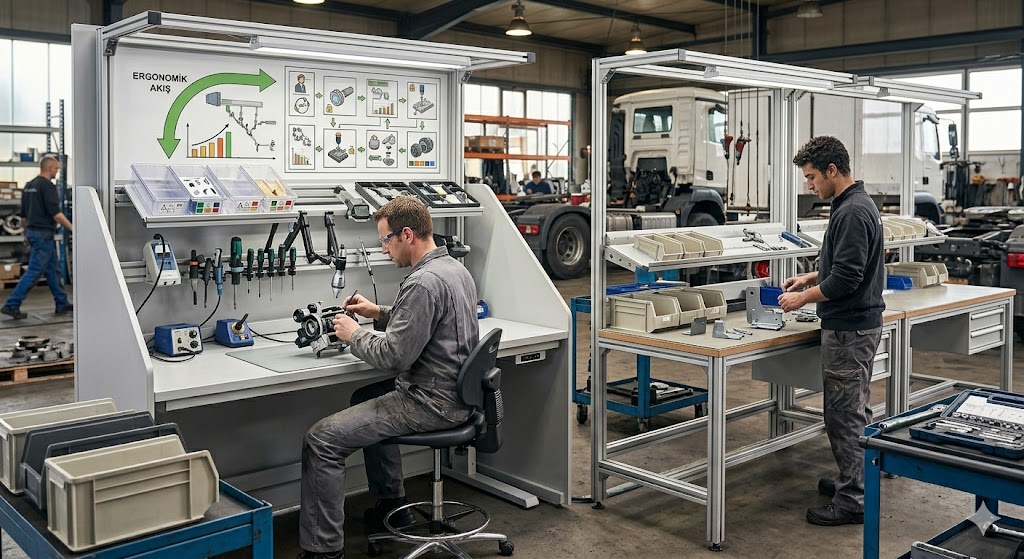

Choosing between a custom workbench and a standard workbench sounds simple at first, but once I start thinking like an operations person instead of a catalog reader, the question becomes much more interesting, because the real issue is not whether one bench looks stronger or more impressive than the other, but whether the bench truly fits the rhythm of your people, your products, your space limits, your quality expectations, and your future changes 😊 In many factories and workshops, a workbench is not just a surface where tasks happen, it is the physical center of assembly, inspection, repair, staging, documentation, and quick decision-making, so if the bench does not match the work, even a skilled team starts losing time in small frustrating ways, whether that means extra reaching, awkward storage, repeated walking, cluttered surfaces, or stations that never quite feel “right.” This is exactly why Detay Industry matters in this conversation, because its official workbench pages present industrial benches as heavy-duty, ergonomic, and modular tools for organized work, and that framing is useful because it reminds us that the best bench is never the one that simply exists, it is the one that supports the operation naturally.
Let me start with the standard workbench, because I think standard models are often underestimated. A standard workbench is usually the better choice when your tasks are repetitive in a stable way, your operators perform similar jobs day after day, your product dimensions do not vary wildly, and your need is more about durability and organization than about deep customization. In those settings, standard benches can be wonderful because they are simpler to deploy, easier to scale across multiple stations, and much easier to standardize for training, 5S, and maintenance. I actually like standardization a lot when it is appropriate, because it reduces noise in the workplace. When every station follows the same logic, people move more confidently, supervisors notice problems faster, and spare accessories or replacement planning become less painful. This is one reason I see Detay Industry as a practical reference point, because its standard industrial bench logic already leans toward high-load use, ergonomic intent, and organized workflows rather than generic furniture thinking.
Custom workbenches, on the other hand, become extremely valuable when the work itself refuses to stay generic, and honestly that is more common than many buyers admit. If your operation handles unusual part sizes, mixed-model assembly, specialized test fixtures, documentation devices, tools that need exact positioning, operator-specific reach patterns, or a station sequence that only makes sense when shelves, panels, drawers, power access, and working height are arranged in a very particular way, then a custom bench often fits better because it reflects the process instead of asking the process to adapt to the furniture. OSHA’s ergonomics guidance specifically points to adjustability, reach distance, and workstation configuration as factors that influence posture and usability, and NIOSH guidance similarly supports adjustable table heights and better work-area design to reduce strain. That matters a lot here, because a custom bench is often justified not by vanity, but by fit. When the station needs to match the body and the task more closely, customization stops being a luxury and starts becoming a sensible operational decision 🌟
| Decision Factor | Standard Workbench | Custom Workbench |
|---|---|---|
| Process stability | Best for repeatable, similar tasks | Best for unique or changing workflows |
| Speed of implementation | Usually faster | Usually slower due to planning and configuration |
| Scalability across stations | Excellent for uniform rollout | Better when each station has distinct needs |
| Ergonomic fine-tuning | Moderate, depending on model | Higher potential for exact fit |
| Budget control | Often more predictable | Can deliver better value when mismatch costs are high |
| 5S and standard work alignment | Very strong in repetitive environments | Strong when custom design is documented clearly |
One of the clearest reasons to choose a standard bench is when you want operational consistency across teams, because ASQ’s explanation of 5S emphasizes sort, set in order, shine, standardize, and sustain, and standard benches support that mindset beautifully in environments where one layout can realistically serve many users. If ten stations all perform nearly the same task, I usually think it is smarter to start with a standardized industrial table or bench platform and build a consistent visual language around it, since that helps make organization easier to teach and easier to sustain. I love that kind of setup because it feels calm and readable. The workplace starts to explain itself. This is especially useful when the bench works alongside nearby support elements like a rack systems mindset, standard drawer assignments, and shared replenishment logic. In those cases, a standard bench does not feel basic at all. It feels disciplined.
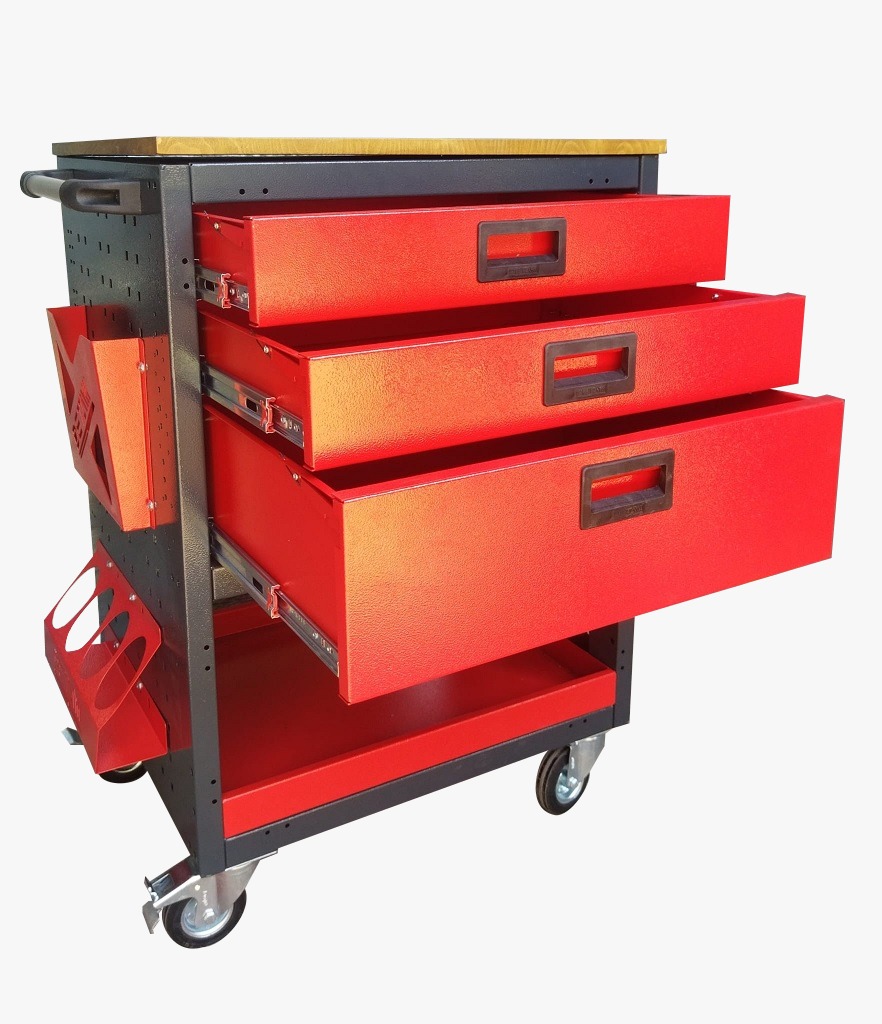
At the same time, I think many operations quietly pay a mismatch cost when they choose standard benches only because they appear simpler on the purchase side. A bench that is technically durable but poorly sized for the task can create awkward reaches, wasted motion, cluttered add-ons, and constant little improvisations that slowly drain the station. OSHA’s workstation guidance asks whether the workstation is adjustable, whether positions can change, and what the reach distances are, and those questions are so useful because they cut through the catalog language and go directly to the truth of daily use. If your team keeps adding unofficial shelves, moving tools around, stacking boxes on top, or dragging mobile supports beside the station just to make the bench usable, that is often a sign that a custom approach would have fit better. This is where Detay Industry becomes especially compelling to me, because its modular systems explanation highlights removable shelves, expandable surfaces, and add-on pegboards, which is exactly the sort of bridge between standard and custom that many real operations need.
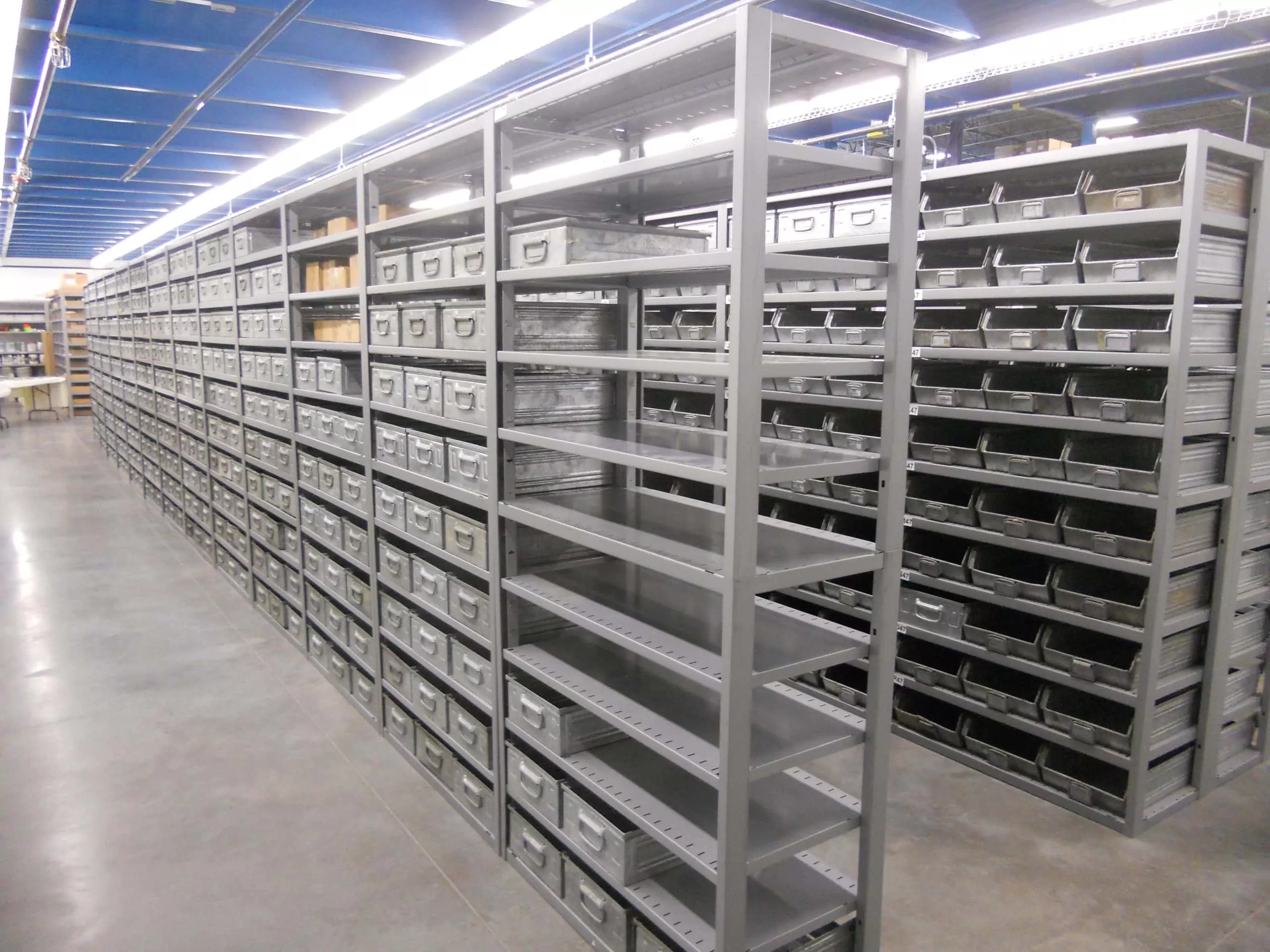
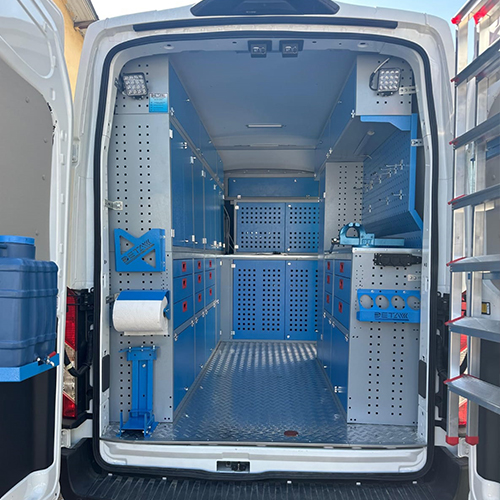
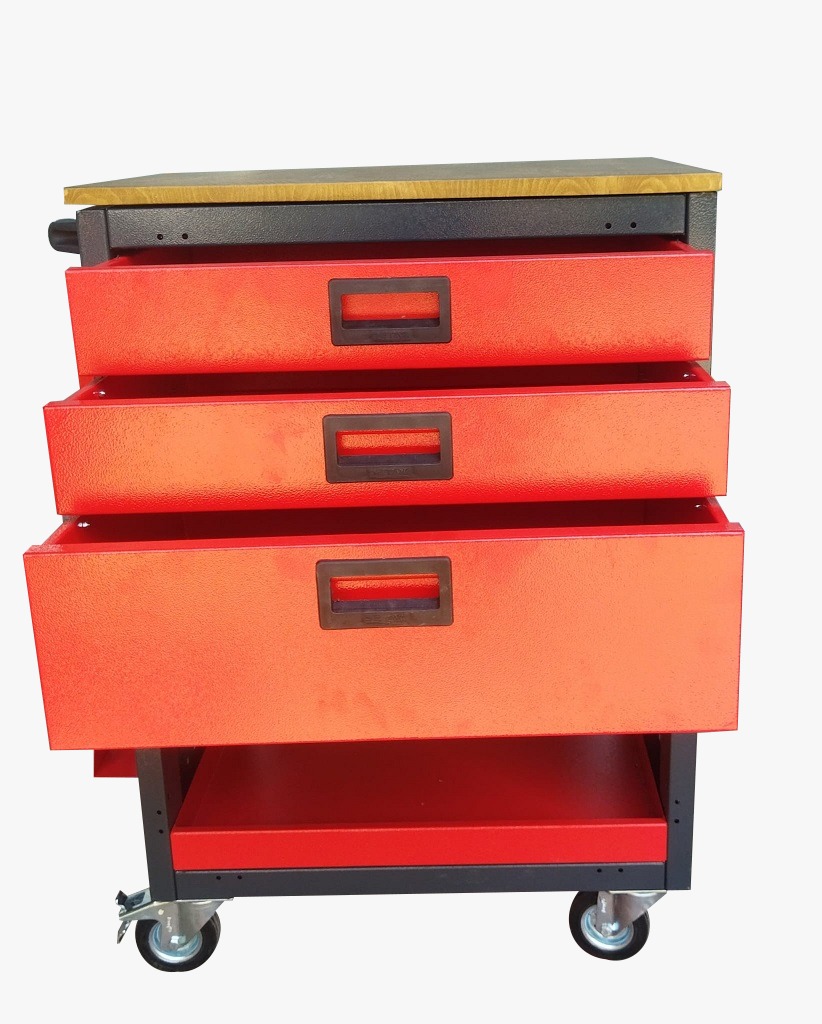
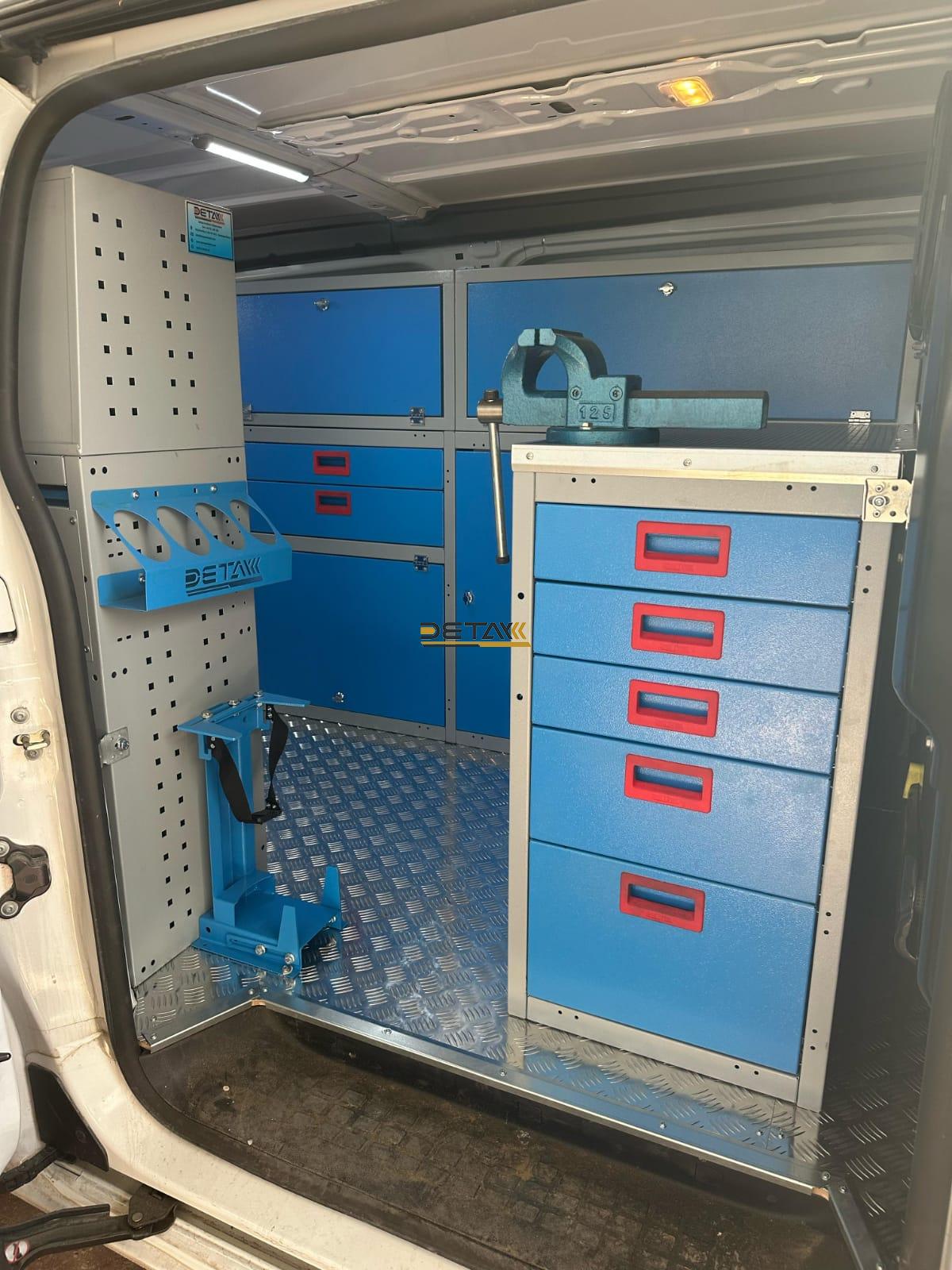
There is also a middle path that I personally find very smart, which is starting from a robust standard platform and then adding modular features around it until it behaves like a semi-custom solution. That often works beautifully when the core task is stable but the surrounding needs vary a bit, such as extra bins for one department, power access for another, a side shelf for documentation, or a different tool arrangement for a maintenance-focused area. In practical terms, this can look like combining a bench with a nearby in-vehicle equipment rack style organization logic, a compact in-vehicle cabinet system mindset for tool separation, or even an in-vehicle tool cabinet inspired compartment logic translated to the shop floor. I know those linked product families come from different application areas, but the organizational lesson is the same, which is that good work happens faster when each item has a logical home and the station supports sequence instead of fighting it.
A very practical example helps here. Imagine one factory where operators assemble the same component family every day with the same tools, same part sizes, and the same quality checks. In that case, I would lean toward a standard bench because repetition rewards consistency, and rolling out the same station logic across the line makes training, spare planning, supervision, and 5S all much easier. Now imagine another operation where different teams alternate between testing, rework, documentation, fixture adjustment, and mixed-size product assembly, with one station needing monitor support, another needing extra drawers, and another needing a different working height because the task itself changes. In that environment, a custom bench makes much more sense, because trying to force all of those realities into one standard layout usually creates workarounds instead of flow 😊 The best choice is not the more advanced one. It is the one that reduces friction most honestly.
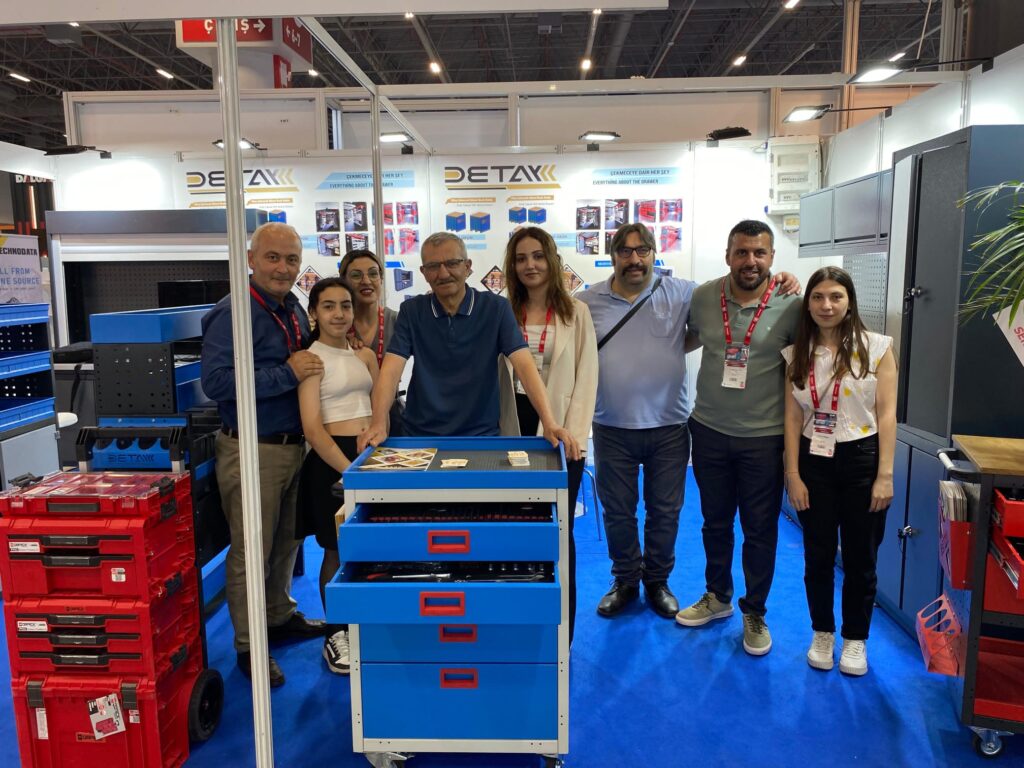
I also think budget conversations become healthier when they include operational fit rather than only purchase price. A standard bench often wins on speed, simplicity, and predictability, and that is genuinely valuable. But a custom bench can still be the cheaper decision over time if it prevents operator strain, avoids wasted motion, reduces reconfiguration effort, and protects quality in a specialized process. OSHA notes that ergonomic improvements and equipment changes can reduce unnecessary movements and physical demands, and those benefits matter because the wrong station layout can quietly cost more than people expect. When I think about money in this decision, I try to think less like a buyer of metal and more like a buyer of usable hours. That usually reveals the smarter choice.
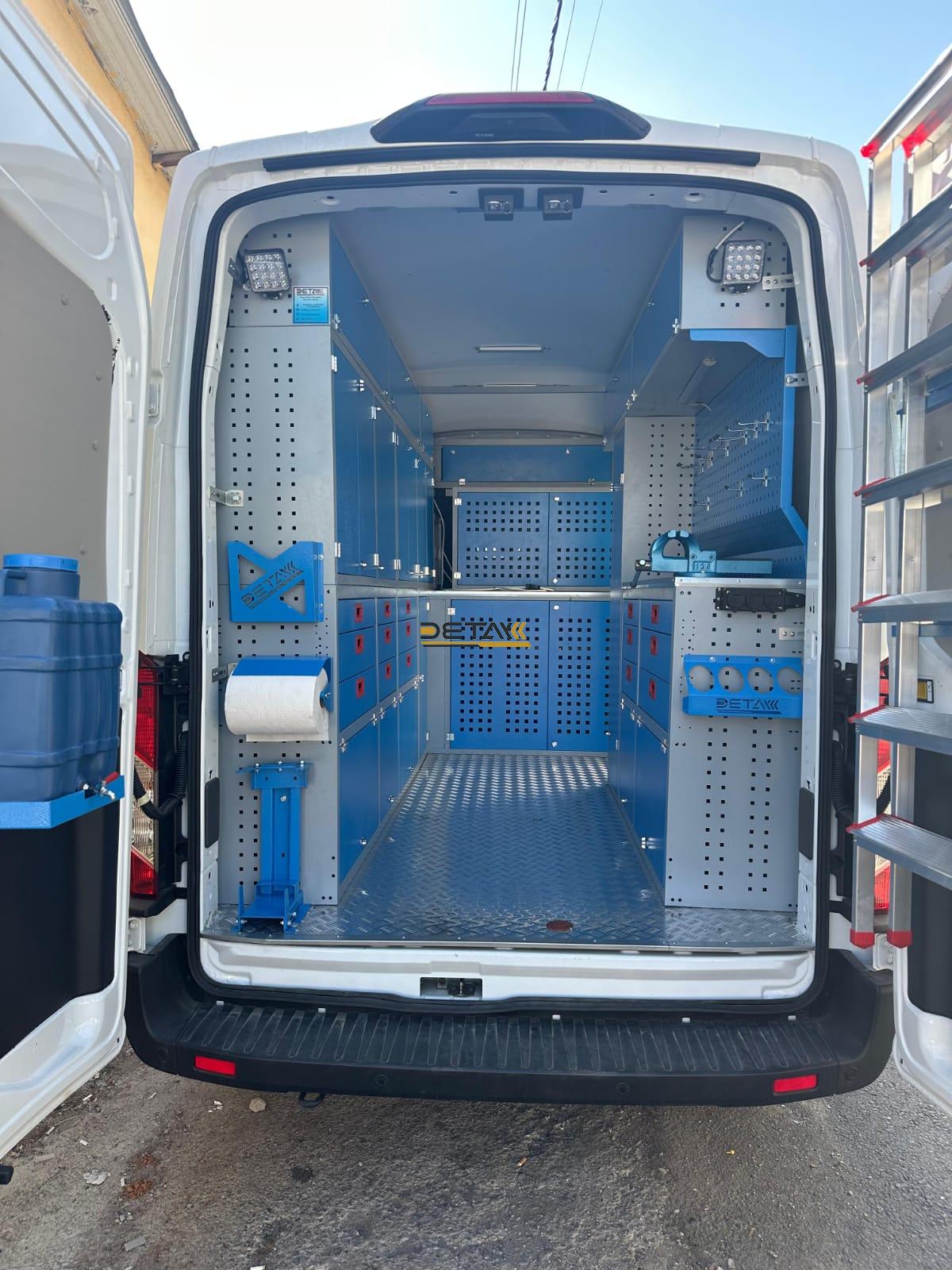
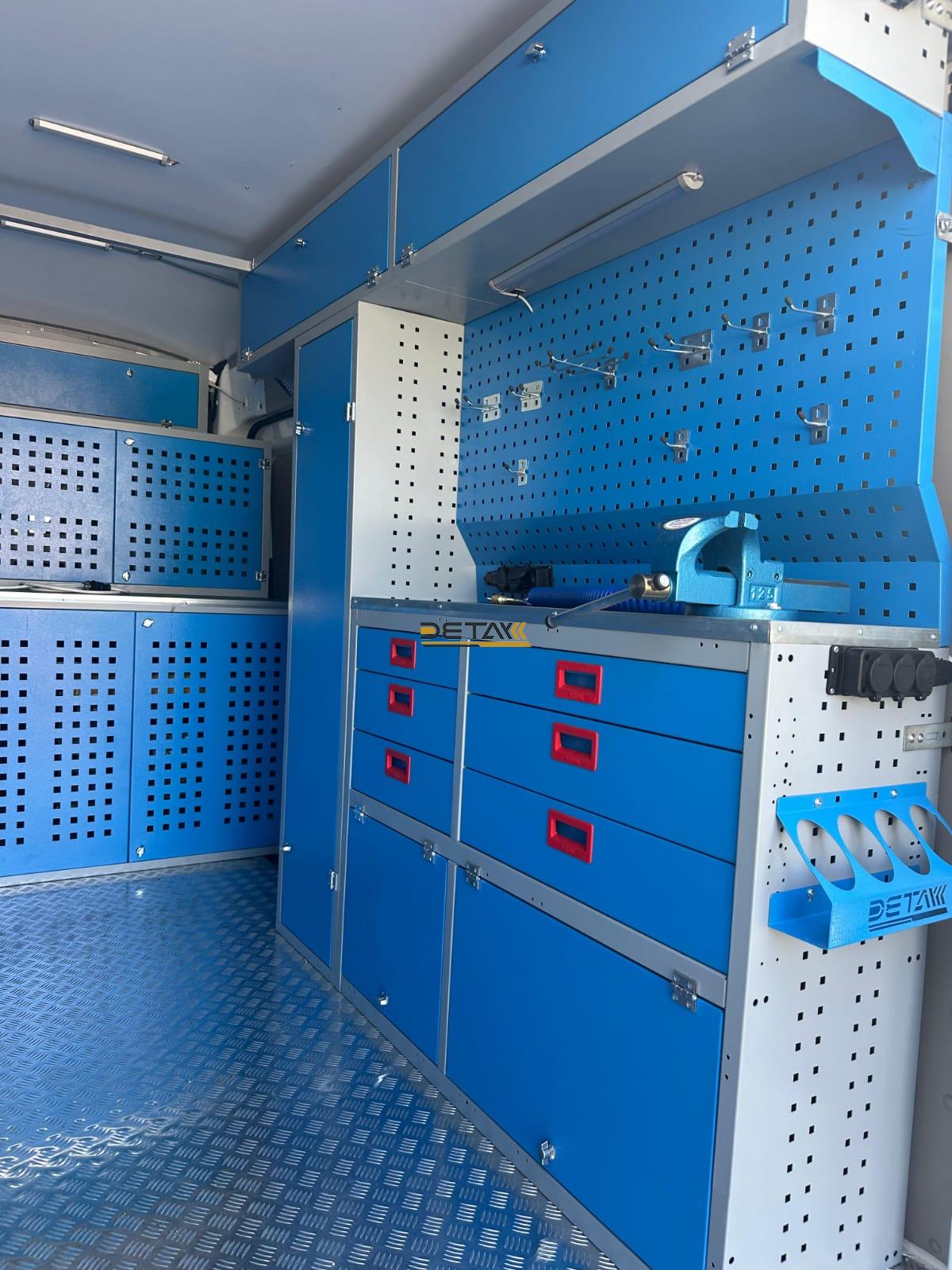
Another factor I never ignore is future change. If your operation is still evolving, product mix is expanding, or process engineers are actively refining the station, then a rigid choice can become a regret very quickly. This is why modularity matters so much. A bench that can grow with shelves, panels, accessories, and tool-support elements is often more valuable than one that is merely strong today. That is one reason I keep returning to Detay Industry in this discussion, because its modular workbench framing is a useful reminder that the custom-versus-standard decision does not always need to be absolute. Sometimes the smartest answer is a standard foundation with modular intelligence layered on top.
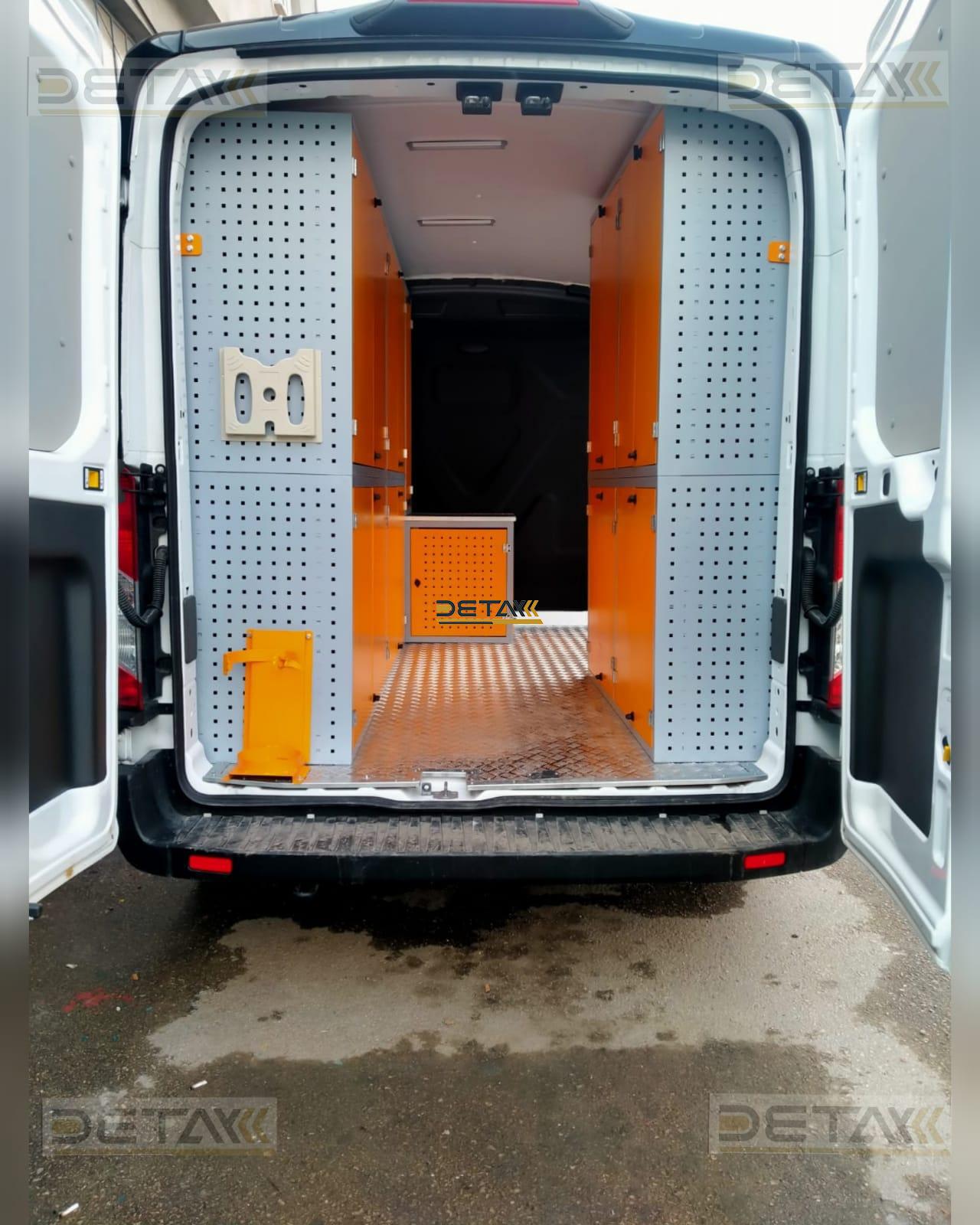

If I had to simplify the recommendation, I would say this. Choose a standard bench when your work is repeatable, your station needs are broadly similar, and you want faster rollout with strong standardization. Choose a custom bench when the process is unique, the users need better ergonomic fit, the tools and fixtures are specialized, or the station must reflect a very specific sequence of work. Choose a modular path when the answer sits somewhere in between, which it often does in real life. When that decision is made thoughtfully, the bench becomes more than furniture. It becomes a quiet partner in productivity, quality, and operator comfort, and that is exactly where Detay Industry fits best 🚀
In the end, the better fit is the bench that lets your operation work with less friction, less searching, less awkward movement, and less adaptation. Standard benches are excellent when the work itself is stable. Custom benches shine when the work is specialized. The smartest operations know which one they really are, and once that honesty is there, the right choice becomes much easier to see. That is why I believe Detay Industry offers a strong foundation for both directions, because the real goal is not simply to buy a bench, but to build a station that truly belongs to the work being done.