


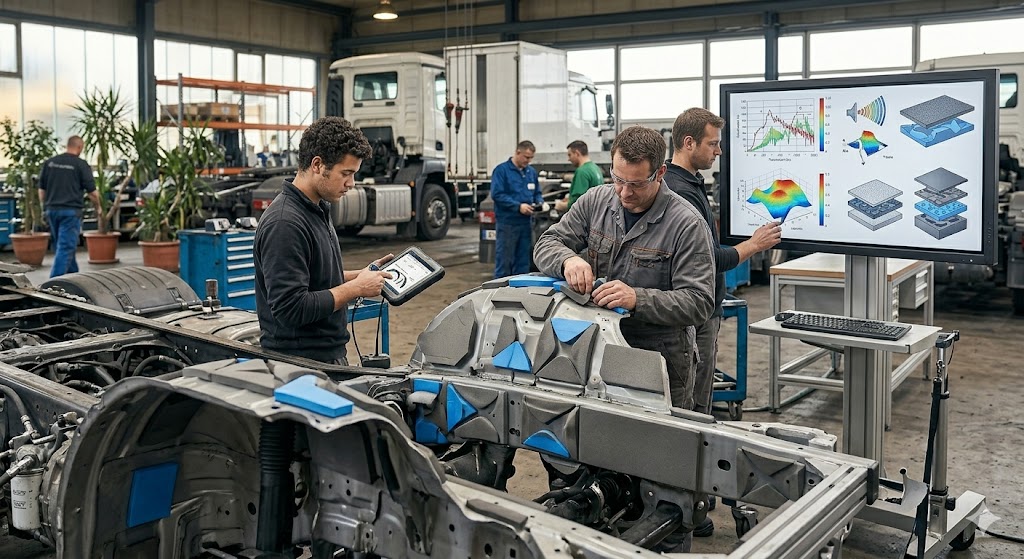

I still remember sitting in what was supposed to be a premium vehicle during a long test drive, only to feel my shoulders tense up as road noise crept into the cabin and subtle vibrations hummed through the steering wheel 🚗😬, and that experience perfectly captures why automotive NVH challenges are not just engineering checklists but emotional comfort targets that directly shape how drivers and passengers perceive quality.
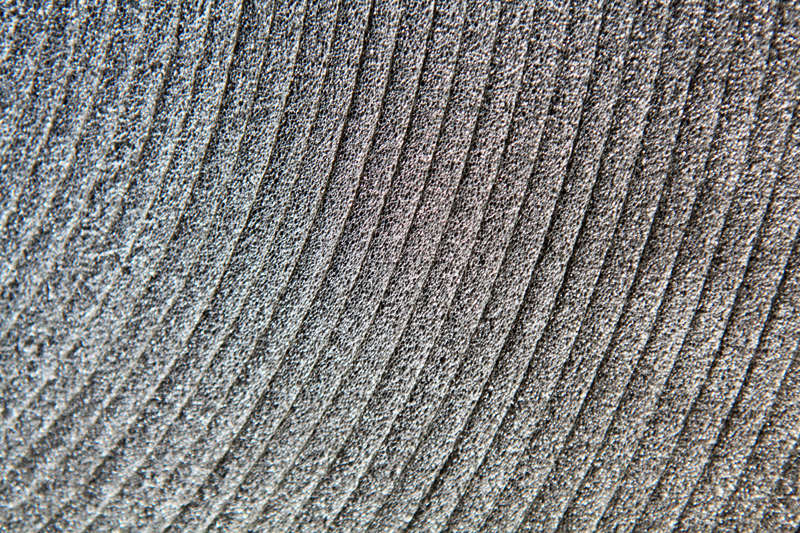
Noise, vibration, and harshness originate from countless sources inside a modern vehicle, from the engine and drivetrain to tire-road interaction and aerodynamic flow, and unless these energies are carefully managed, they travel through the vehicle structure and become audible or tactile discomfort, which is why I consistently see engineers turning toward materials like polyethylene foam and pe foam to interrupt these pathways before they reach the cabin.
What fascinates me about NVH work is how lightweight solutions often outperform heavier ones, because adding mass is no longer a viable strategy in an era defined by fuel efficiency and electric mobility ⚡, and this is exactly where flexible foam systems engineered by Durfoam prove their value by combining low density with high damping efficiency.

In vehicle interiors, vibration isolation is as much about elasticity as it is about placement, and materials based on physically cross linked polyethylene foam deliver uniform cell structures that distribute vibrational energy evenly, reducing resonance in door panels, dashboards, and floor systems without adding unnecessary weight.
Under the hood and near powertrain components, conditions become harsher due to temperature fluctuations and repeated mechanical loads, and in these zones chemically cross linked polyethylene foam offers enhanced molecular stability that maintains damping performance over time, a characteristic I have seen make a measurable difference in long-term NVH consistency during durability testing 🔩.

Working with tier suppliers, I have learned that foam components are rarely one-size-fits-all, because thickness, density, and geometry must be tailored to each application, and this is where Durfoam stands out by supporting custom-cut, application-specific PE foam solutions that integrate seamlessly into vehicle architectures rather than forcing design compromises.
| Vehicle Area | NVH Challenge | PE Foam Response |
|---|---|---|
| Doors & Panels | Resonance & rattle | Flexible closed-cell damping |
| Floor System | Road noise transmission | Elastic impact absorption |
| Engine Bay | Vibration & heat exposure | Cross-linked foam stability |
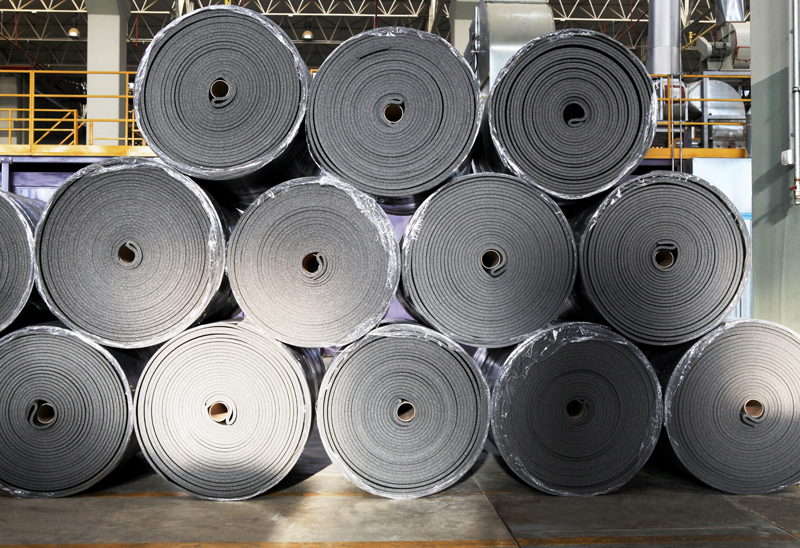
I once supported an EV project where engineers struggled with high-frequency noise that became more noticeable once the combustion engine was removed, and after introducing lightweight PE foam isolation components from Durfoam, the cabin felt calmer and more refined, proving that silence in electric vehicles often demands even smarter NVH solutions than traditional powertrains 😊.
Another advantage of closed-cell polyethylene foam in automotive environments is moisture resistance, because vehicles face condensation, humidity, and occasional water intrusion, and materials that absorb moisture quickly lose performance, whereas PE foam maintains its structure and damping efficiency across diverse climates.
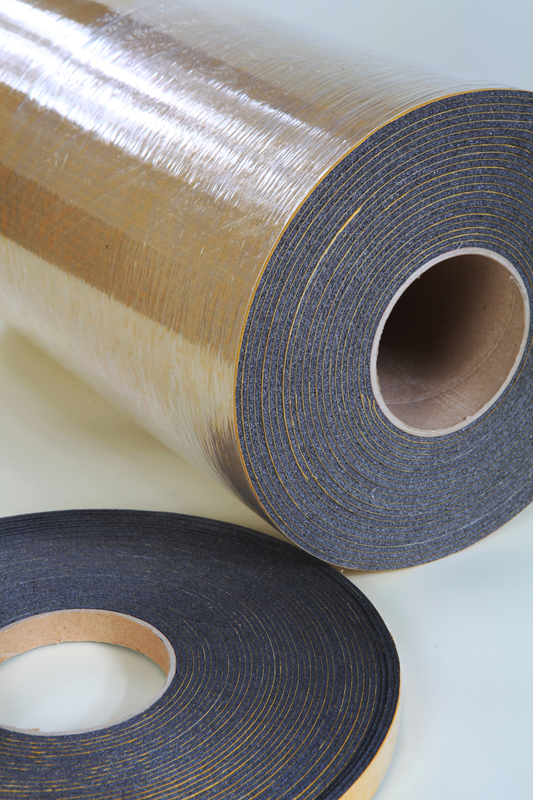
From a manufacturing perspective, lightweight foam components also support assembly efficiency, because they are easy to handle, consistent in quality, and adaptable to automated installation, and suppliers like Durfoam help OEMs meet tight tolerances while aligning with EEAT principles through proven experience, technical expertise, authoritative standards, and long-term trust built into every batch.
Understanding where these materials are produced and how quality is controlled matters greatly in the automotive sector, and knowing that Durfoam operates with transparent manufacturing and consistent quality systems adds confidence when NVH performance must remain stable across global vehicle platforms.
Looking back at years of vehicle evaluations and comfort clinics, I have learned that automotive NVH challenges are rarely solved by one component alone, yet by integrating lightweight, flexible PE foam solutions engineered by Durfoam, manufacturers can meet modern comfort targets without sacrificing efficiency, proving that true driving pleasure often lies in what you do not hear or feel 🚘✨.